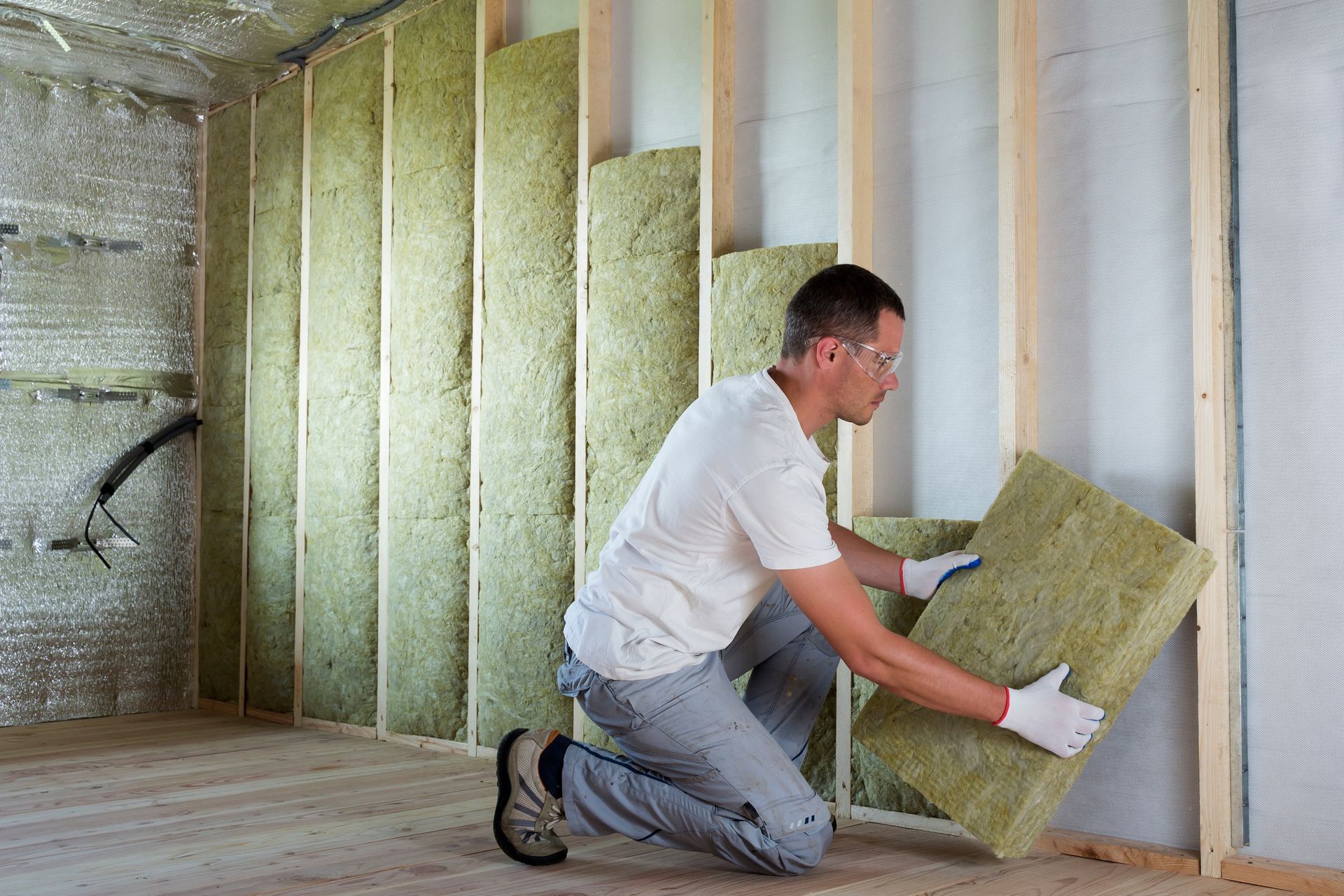

Winter Home Insulation Guide for Western MA Homeowners
When winter arrives in Western Massachusetts, keeping your home warm can become a daily struggle. Your heating system might be running constantly, but certain rooms still feel cold. You may notice drafts near windows, chilly floors, or heating bills that seem higher than they should be.
The problem isn't always your heating system. Sometimes, the warmth you're paying for is escaping through areas of your home that aren't properly insulated. Understanding how winter home insulation works can help you identify where that heat is going. From the attic down to the basement, there are several places worth checking if your house has trouble staying comfortable during the colder months.
Why Western MA Winters Are Hard on a Home
Winters in Western Massachusetts can bring long stretches of freezing temperatures, making it difficult for a house to hold onto its warmth. As your heating system warms the inside, heat naturally moves toward colder areas. Warm air can also escape through openings near the top of the house, allowing colder outside air to enter through gaps elsewhere. When this happens, your heating system has to work harder to maintain the temperature you've set.
This can be especially noticeable in older houses throughout Springfield, Holyoke, and nearby Hampden County communities. Some homes were built before current insulation practices became common, while others have materials that have settled or shifted over time. You might have insulation in your attic but very little inside certain walls. There could also be spaces around plumbing, wiring, or other openings that allow air to move between different parts of the house.
Insulation helps slow the movement of heat, allowing your home to stay warmer for longer. However, the amount and condition of the existing material matter just as much as its location. If you own an older property, our guide to insulating older homes explains some common problems and what to consider before making improvements. The first step is understanding how your house is losing heat, especially when the temperatures drop.
Signs Your Home Is Losing Heat During Winter
One of the most noticeable signs of poor insulation is a house that never seems to feel warm enough. You might have one bedroom that stays colder than the others, even though the thermostat is set correctly. Some homeowners notice drafts near baseboards, outlets, or exterior walls, while others deal with cold floors above an unheated basement. These problems can make certain rooms uncomfortable, even when the rest of the house feels fine.
Your heating bills can also provide some clues. If you're using more energy to maintain the same temperature, heat loss could be part of the problem. However, higher bills don't automatically mean your insulation is failing. Outdoor temperatures, heating equipment, and changes in energy prices can also affect what you pay. It's worth looking at the whole picture before deciding where improvements are needed.
There are also signs you can notice outside the house. Heavy icicles along the roof edge or patches of melted snow on an otherwise snowy roof may indicate that heat is reaching the roof from below. These signs don't confirm the cause on their own, but they give you another reason to check the attic. A drafty house, cold floors, and uneven room temperatures can point toward different areas, which is why a proper inspection is helpful before adding insulation.
Start With Attic Insulation and Air Sealing
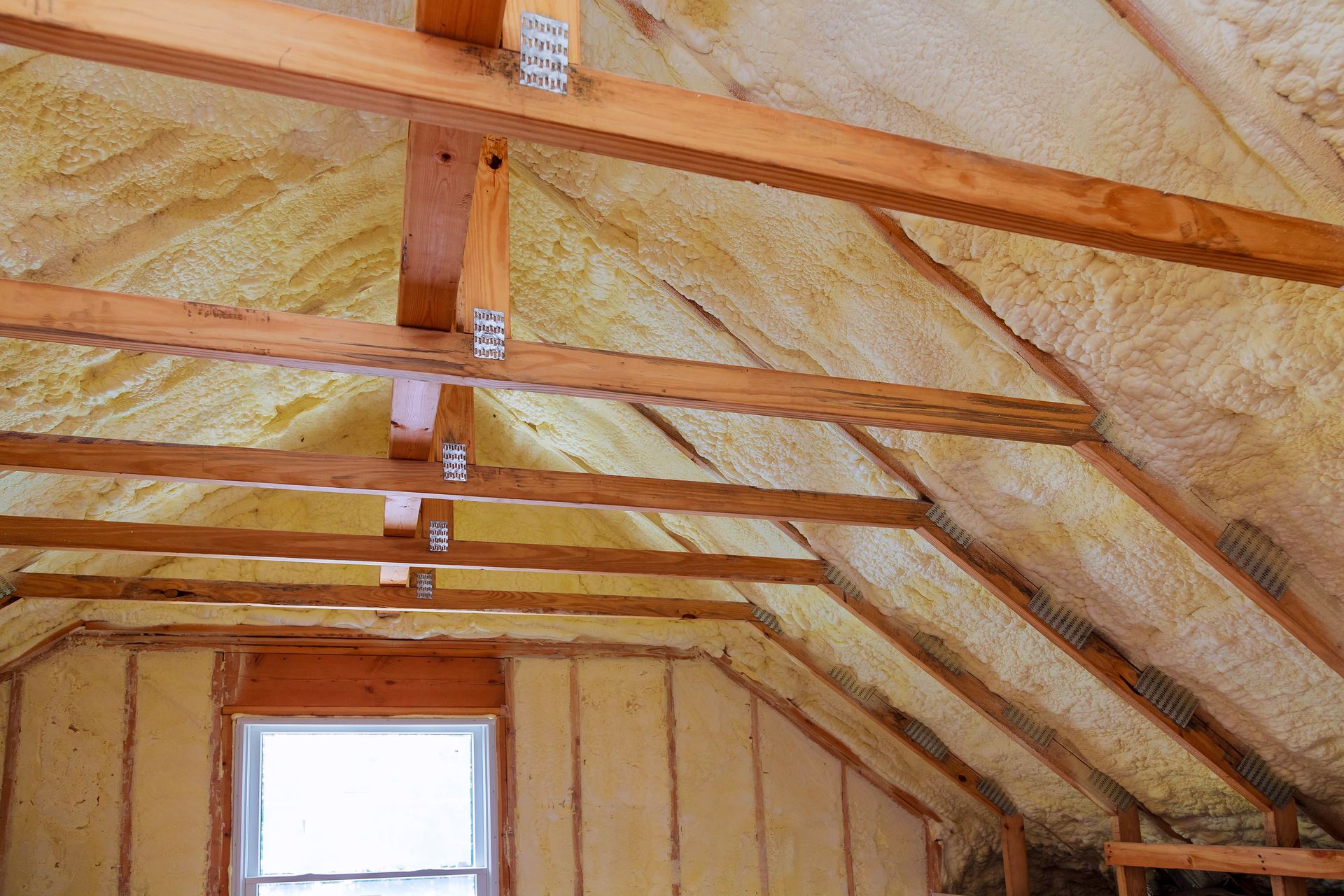
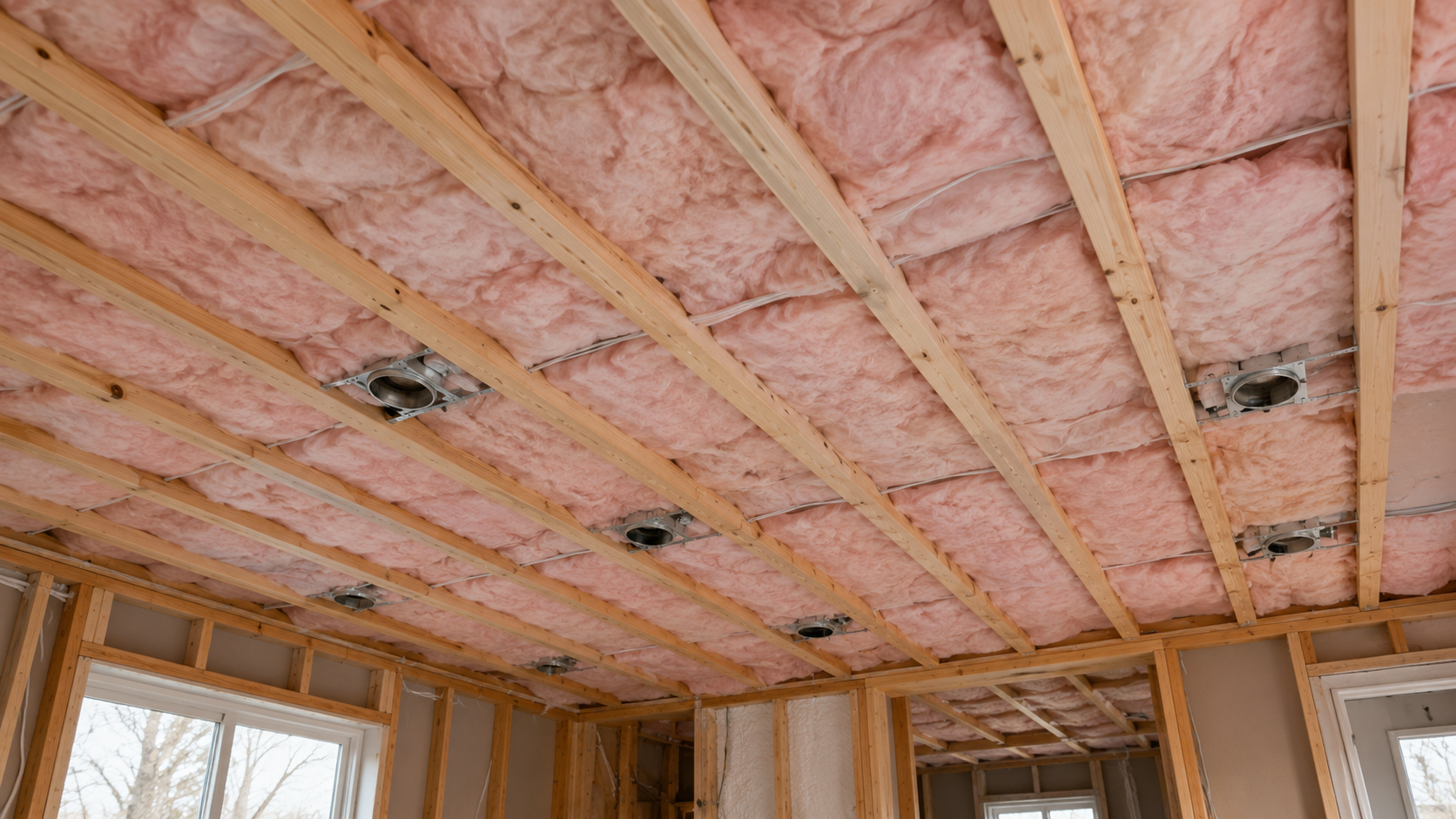
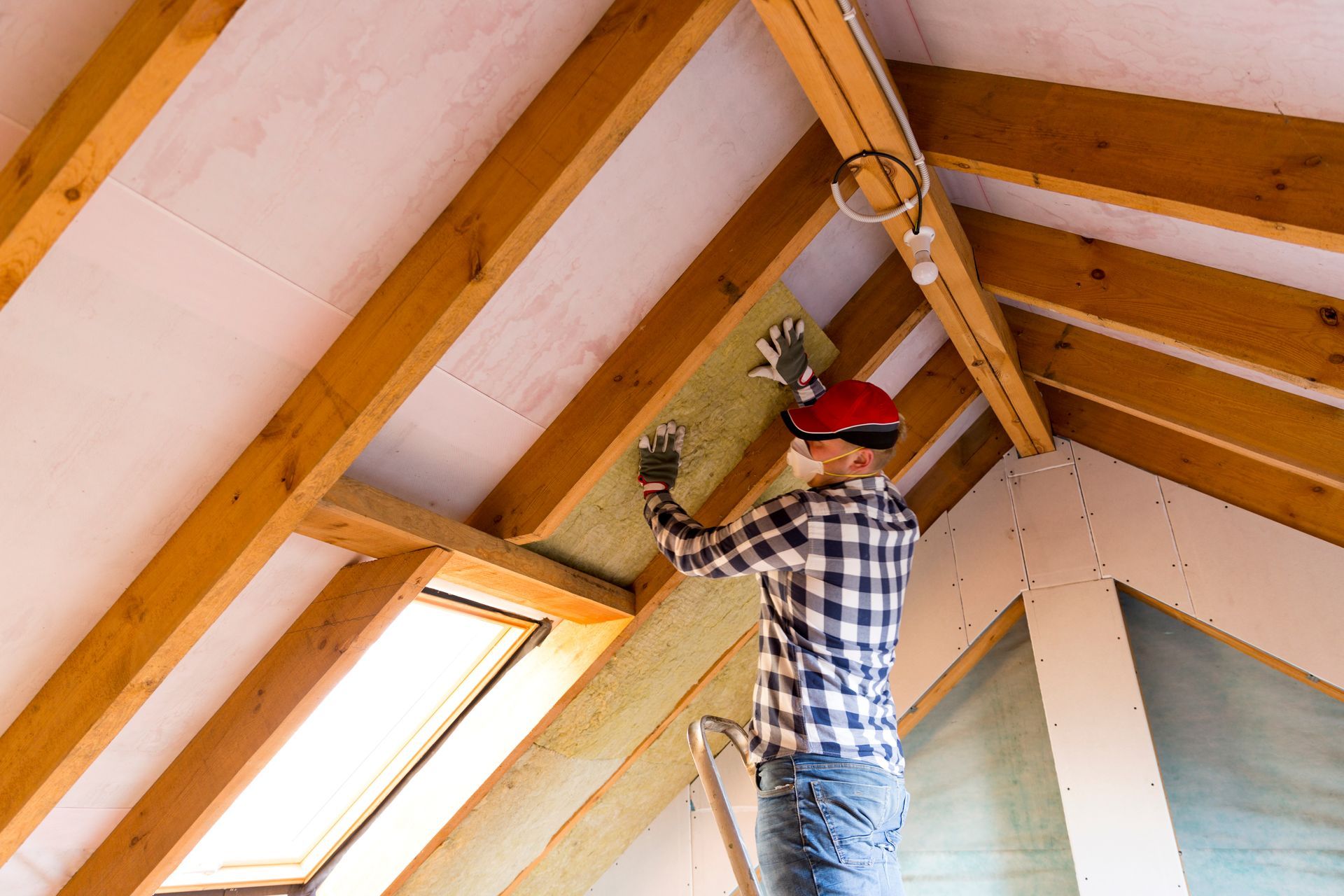
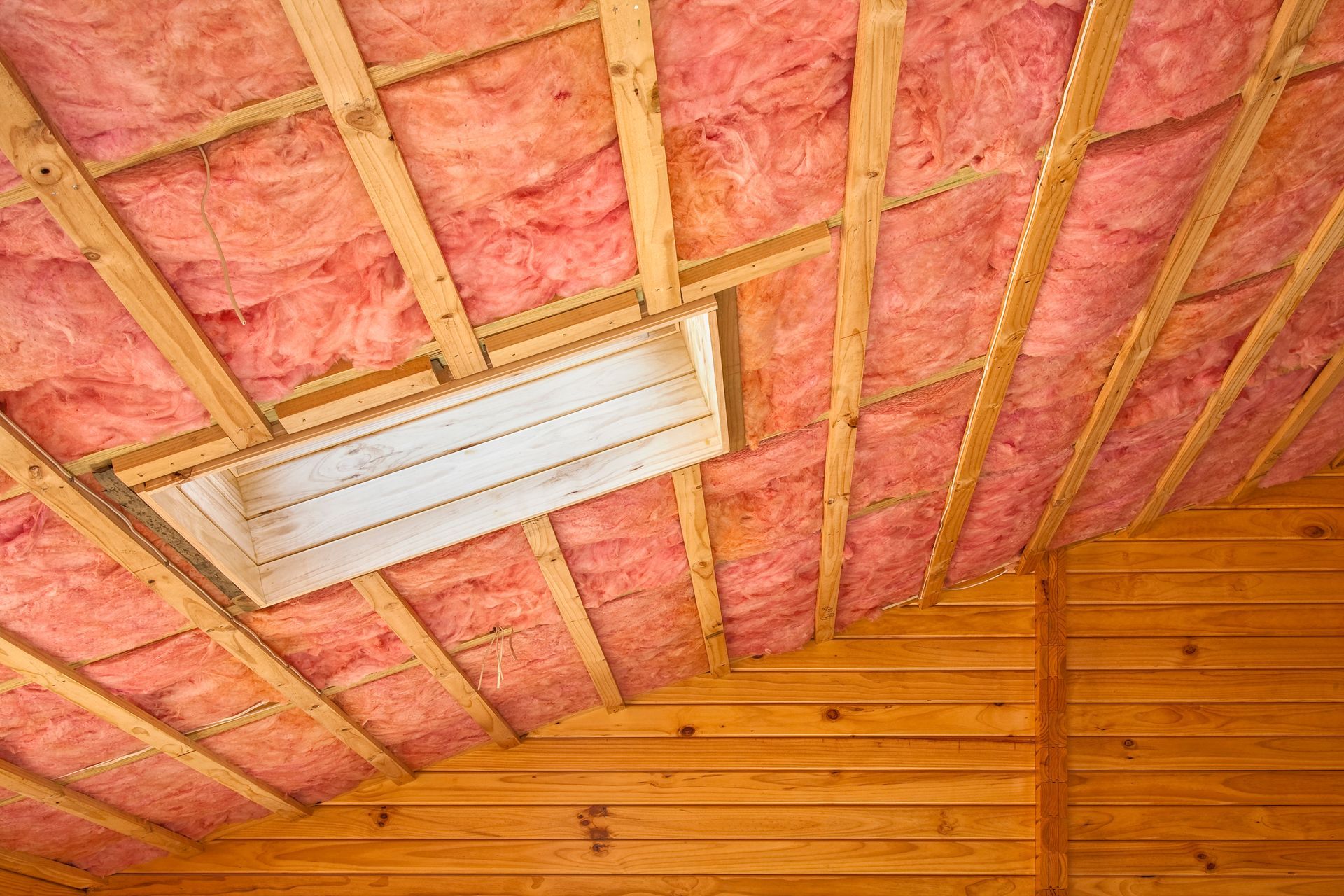
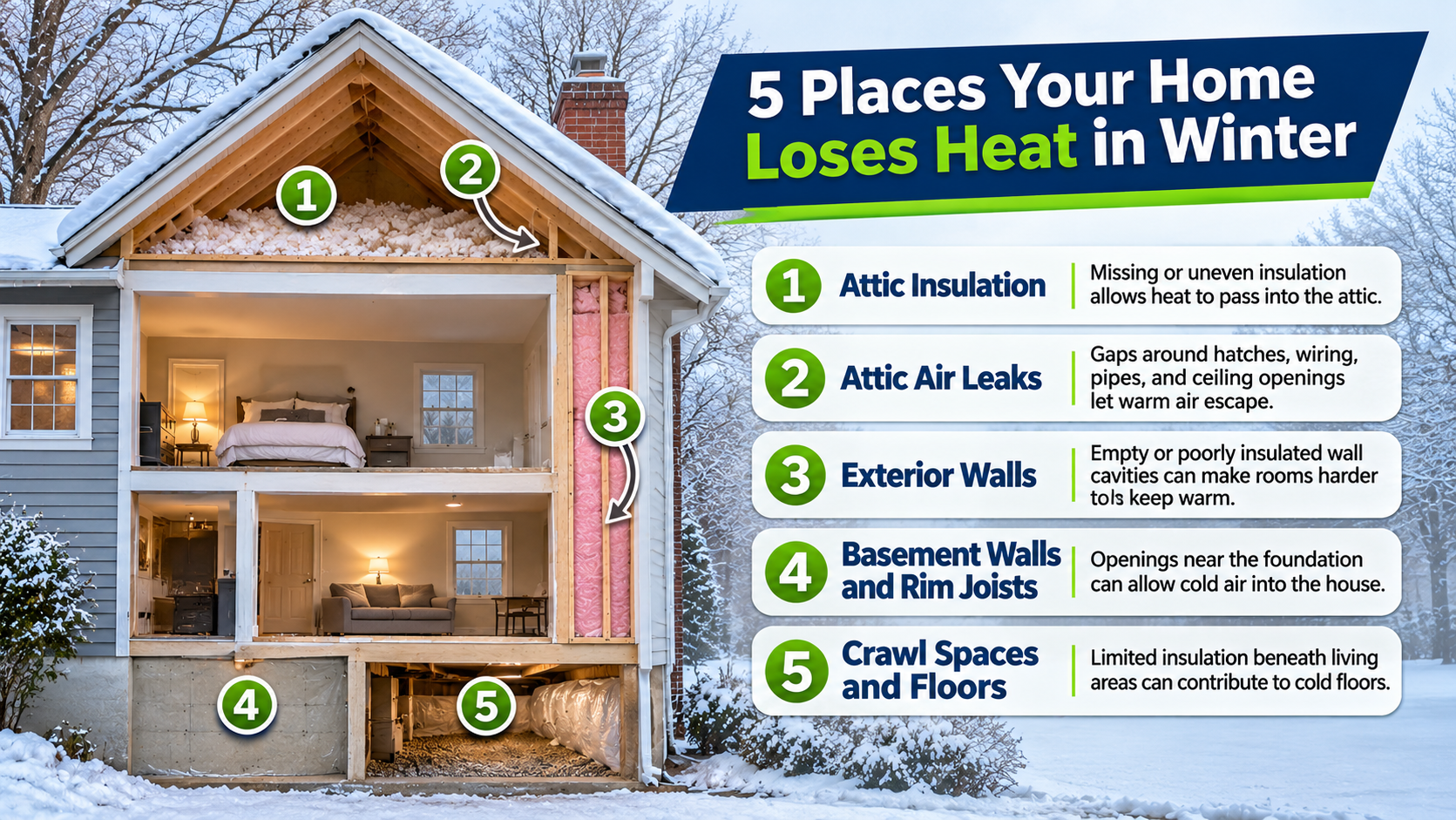
If your house struggles to stay warm, the attic is one of the first places worth checking. Heat can pass through the ceiling and into an unheated attic, especially when insulation is missing or uneven. Small gaps around ceiling lights, plumbing, electrical wiring, and attic access hatches can also let warm air escape. Air sealing means closing these unwanted openings to reduce the movement of air between your living space and the attic.
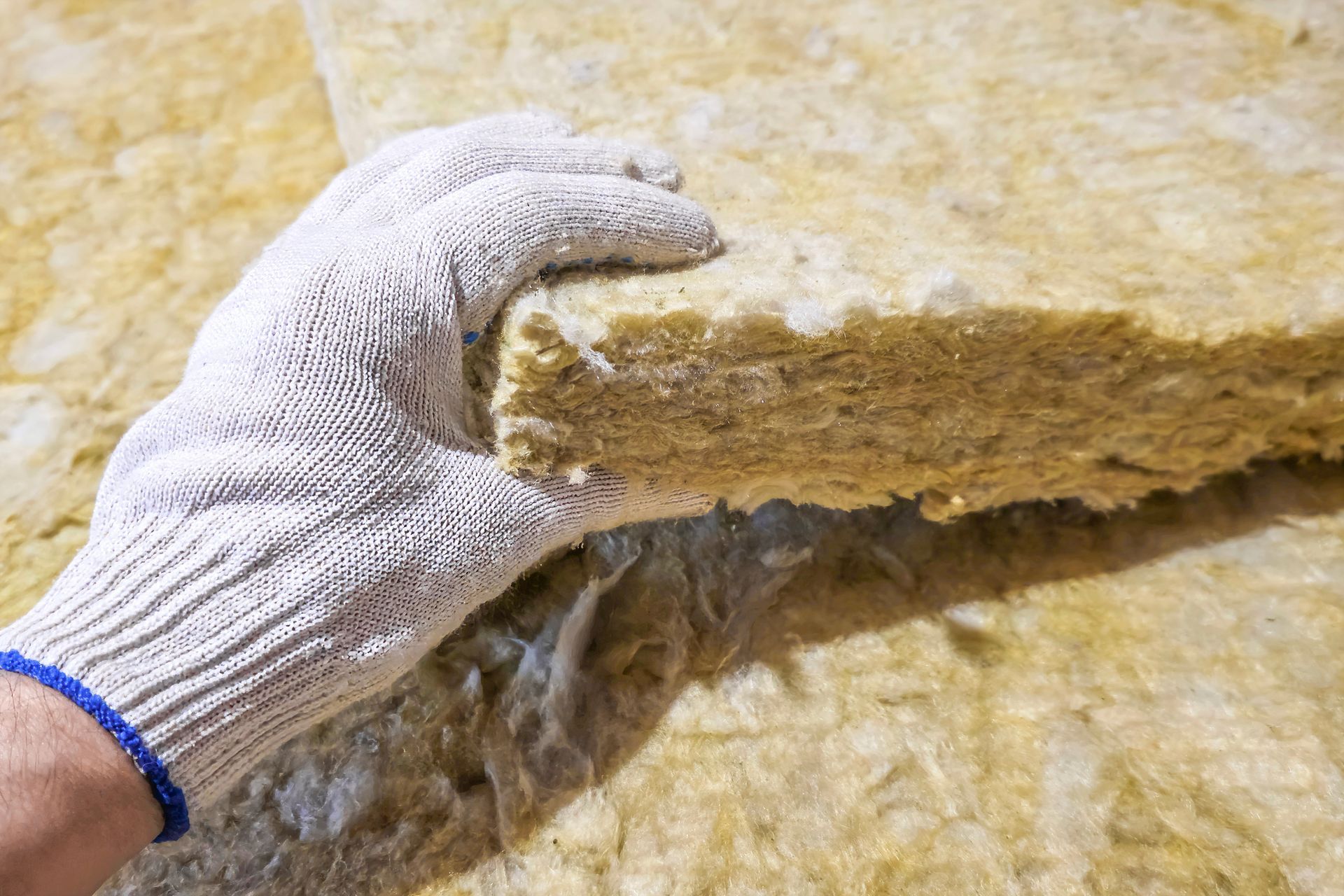
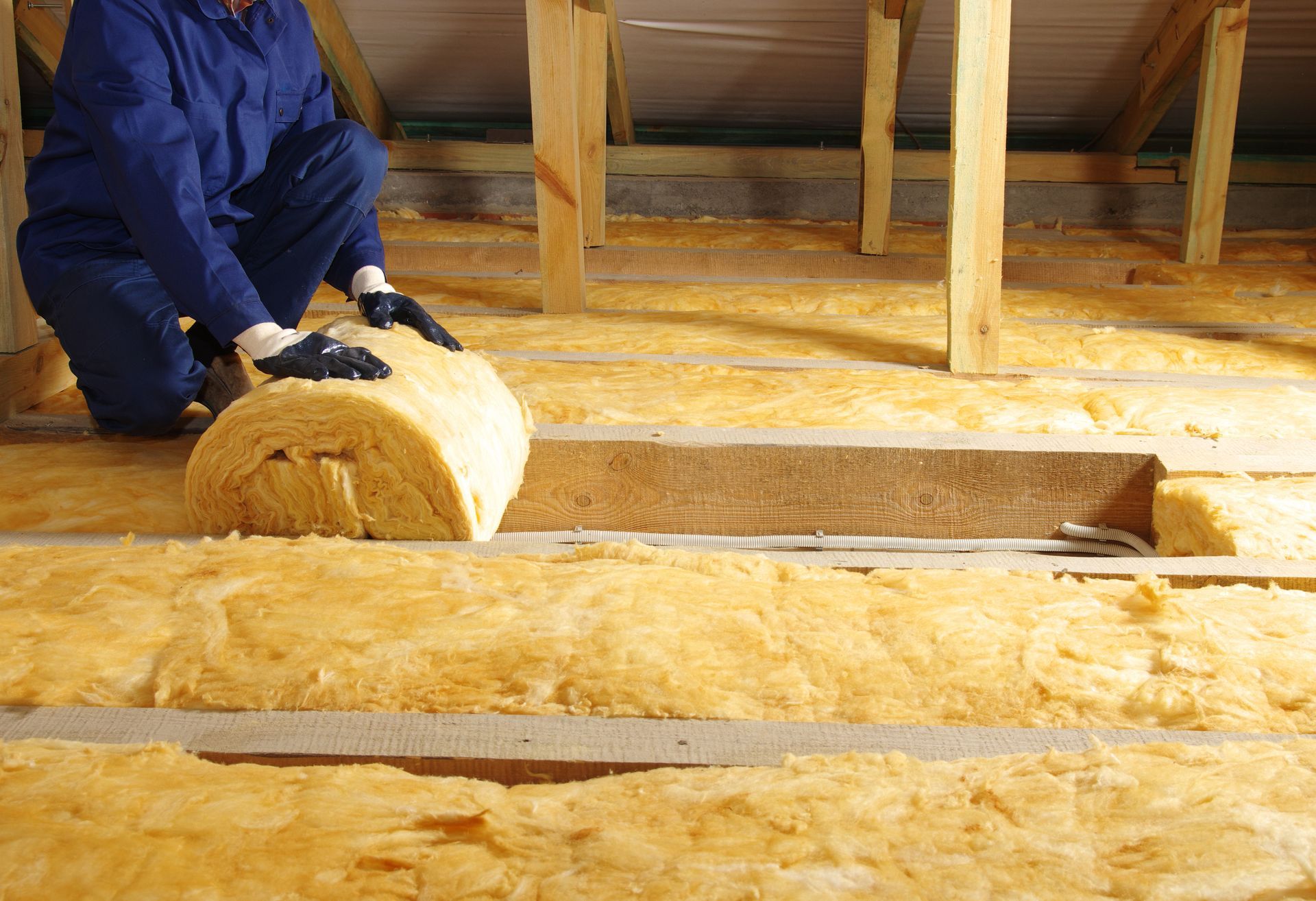
Sealing these gaps before adding insulation helps address both air leakage and heat loss. Once that's done, the next step is checking how much attic insulation is already in place. Insulation is measured by R-value, which describes how well a material resists the movement of heat. ENERGY STAR's recommended insulation levels for this climate include R-60 for an uninsulated attic and R-49 when an attic already has 3–4 inches of insulation. The actual depth needed depends on the material, with R-49 generally requiring around 14–16 inches of certain common insulation types.
You may be able to get a general idea of your attic's condition by looking at the insulation covering the floor. If the floor joists are clearly visible above the material, that can be a sign that more coverage is needed. It's also worth checking for uneven areas, damaged insulation, or signs of moisture before adding anything new. Our article about what attic insulation costs in Massachusetts explains how the existing conditions, attic size, and preparation work can affect a project. Addressing these problems can also help with another common winter concern: ice dams.
What Ice Dams Can Tell You About Your Attic
If you've ever noticed a thick ridge of ice along your roof's edge, you may have seen an ice dam forming. This happens when snow melts on a warmer section of the roof and the water travels down toward the colder edge. Once it reaches that colder area, the water freezes again. As more snow melts, additional water can collect behind the ice instead of draining away.
Ice dams aren't just an issue because of how they look. Water trapped behind the ice can work its way beneath roofing materials and enter the house. Homeowners may notice stains on ceilings, damaged paint, or wet insulation in the attic. When insulation becomes soaked, it may not work as well, creating another problem that needs attention. Large icicles can also form along the roof edge, although icicles alone don't always mean an ice dam is present.
Reducing the amount of heat reaching the roof is an important part of ice dam prevention. Proper attic air sealing and insulation help separate the heated living space from the colder attic above. Roof ventilation and other building conditions also matter, so no single upgrade can prevent every ice dam. Massachusetts guidance recommends addressing air leaks and insulation problems rather than focusing only on the visible ice. If ice dams have been a recurring problem, checking the attic is a useful place to begin.
Insulating Walls, Basements, and Crawl Spaces
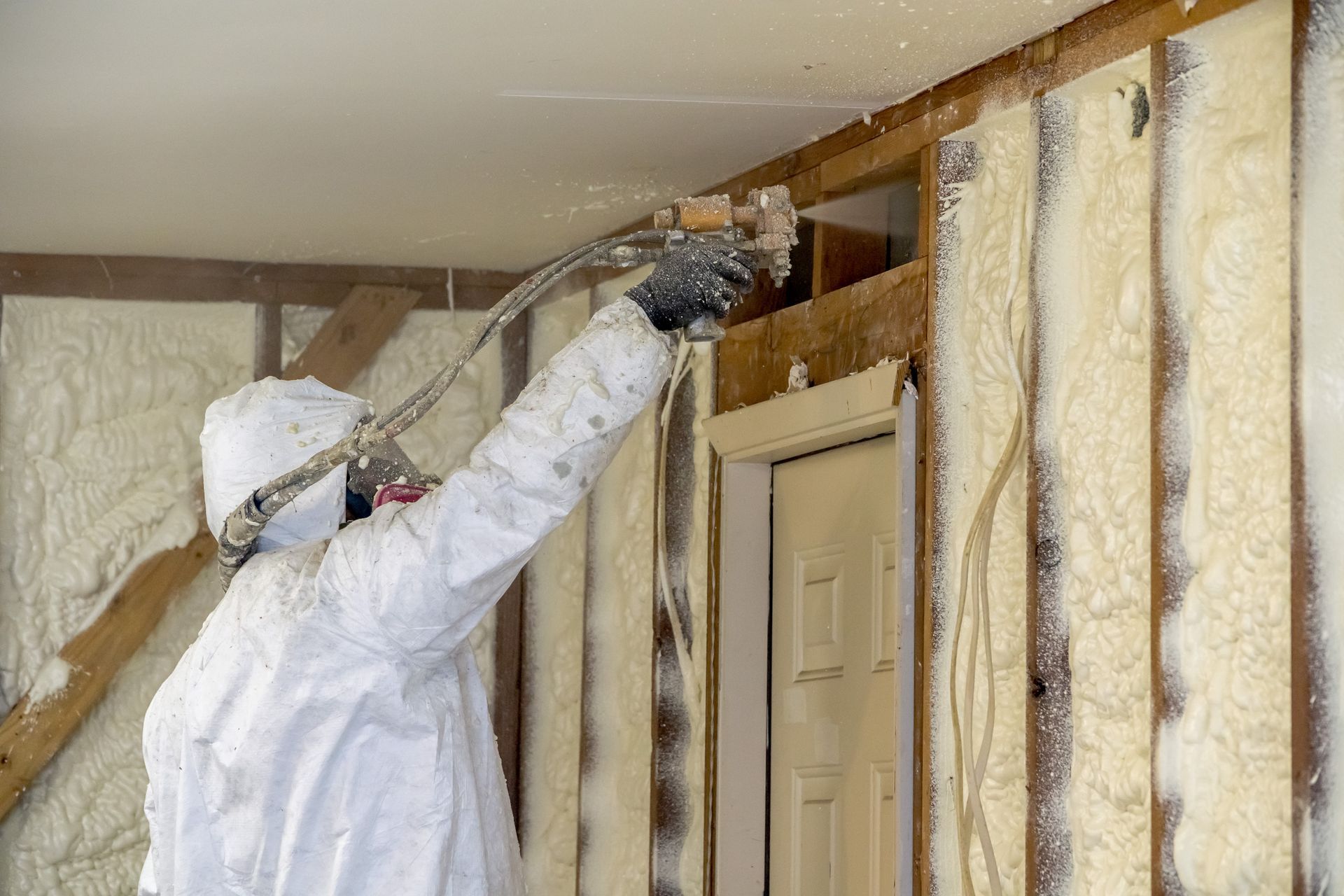
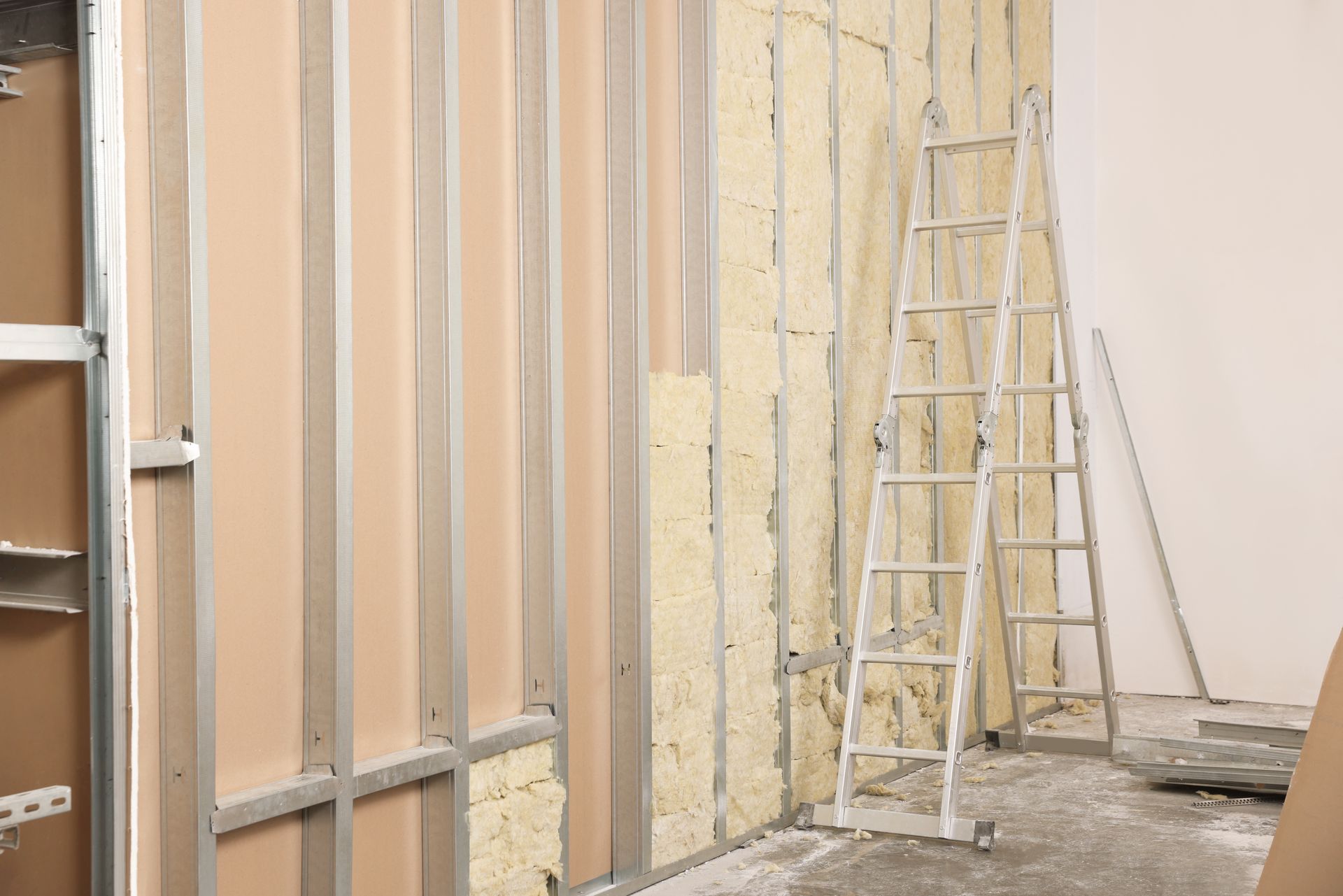
While the attic is a common place for heat loss, it isn't the only area that deserves attention. Exterior walls can also allow warmth to escape, especially in older homes with little or no insulation inside the wall cavities. Depending on how the house was built, blown-in materials may be an option for filling some of these spaces without removing large sections of finished walls. Proper wall insulation helps reduce heat transfer and can make rooms along the outside of the house feel more comfortable.
Another area worth checking is the basement. If the space below your living area is cold or drafty, you may notice the effects on the first floor. Gaps around the rim joists, where the floor framing meets the foundation, can allow outside air to enter. The foundation walls themselves may also need attention. Adding appropriate basement insulation and addressing air leaks in these areas can help reduce cold drafts and improve the comfort of the rooms above.
Homes with crawl spaces can have similar problems. When a crawl space is poorly insulated, the floor above it may feel cold throughout winter. Exposed plumbing in these areas can also be more vulnerable during freezing weather. Proper crawl space insulation, along with appropriate air sealing and pipe protection, can help reduce some of these concerns. However, insulation alone isn't a guarantee against frozen pipes, and the right approach depends on how the crawl space is built and ventilated. Looking at these lower areas helps complete the picture of where your home may be losing heat.
Can You Install Home Insulation During Winter?
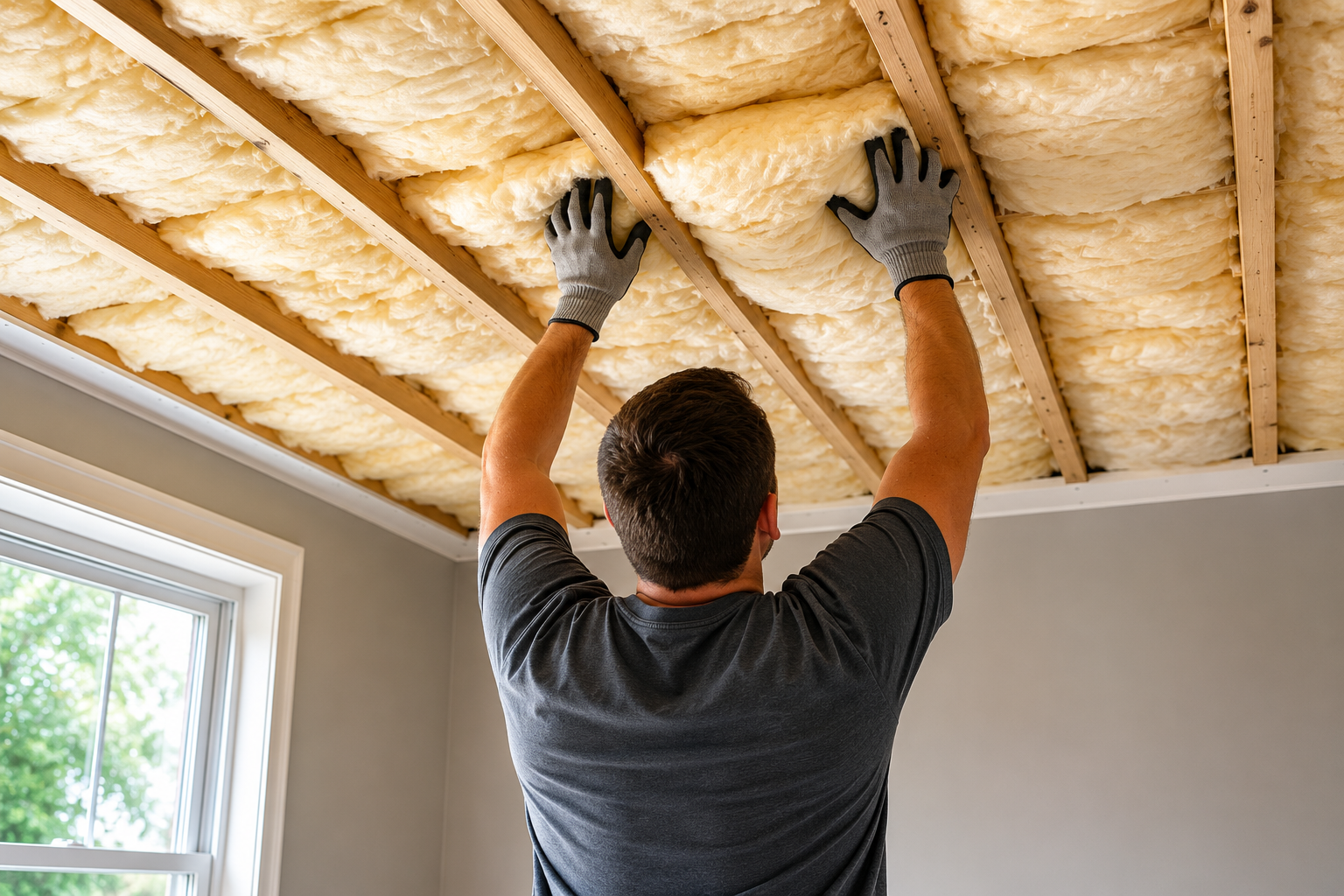
You don't necessarily need to wait for spring to improve your home's insulation. Many projects involve working inside the house, including attics, basements, and crawl spaces, where installation may be possible during colder months. The materials being used and the conditions of the work area still matter, especially for products with specific temperature requirements. A contractor can review the space and determine which improvements make sense for your home. If cold rooms or drafts have been a problem, there's no reason to assume they must go unchecked until warmer weather arrives.
Improving insulation can also affect how much energy your home uses. According to ENERGY STAR, sealing air leaks and adding insulation can save an estimated 16% on heating and cooling costs for a typical home in climate zone 5. That figure reflects an estimated average, not a guaranteed reduction in your personal bills. The results depend on your home's current insulation, air leakage, heating system, and other conditions. Even when the savings vary, reducing unwanted heat loss can help make indoor temperatures more consistent throughout the year.
Massachusetts homeowners may also have access to financial assistance for certain insulation improvements. Mass Save insulation offers currently advertise 75–100% off approved insulation and air sealing work for eligible customers, subject to program requirements. Homeowners served by municipal utilities may need to check separate local programs instead. That distinction is worth considering in communities such as Chicopee, Holyoke, and Westfield. Urban & Sons is based in Springfield and serves homeowners throughout Hampden County. You can review the towns we serve in Hampden County to learn more about the company's service area before planning your project.
Get Your Home Ready for Winter With Urban & Sons Insulation
A warmer home starts with understanding where heat is escaping. If you're dealing with cold rooms, drafts, or uneven temperatures, checking your attic, walls, basement, and crawl space can help you identify areas that may need attention. Improving the right areas can make it easier for your house to hold onto the heat you're already paying for.
Urban & Sons Insulation has served homeowners throughout Western Massachusetts since 1982. Based in Springfield, we provide attic, wall, basement, and crawl space insulation services, along with free estimates to help you understand your options. Contact us today to request a free estimate or give us a call at (413) 732-3922 to discuss your home's insulation needs. Our office is available Monday through Friday, from 7 AM to 4 PM.