
How Much Does Attic Insulation Cost in Massachusetts?
National cost guides typically place a professionally installed attic insulation project in the range of about $1,500 to $3,500, with many blown-in insulation projects landing around $1 to $3 per square foot installed. In Massachusetts, the final number can change quickly based on attic size, existing insulation, air sealing, removal, access, and whether Mass Save helps cover part of the work.
The figures in this guide are national and regional averages from published industry cost data. They are for budgeting only. Actual project pricing depends on measured square footage, existing conditions, scope of work, and material choice.
What Actually Drives the Price
The real cost of attic insulation depends less on the insulation itself and more on what is already in the attic. A clean, open attic where new blown-in insulation can be added over existing material is very different from an attic with wet insulation, rodent activity, poor access, blocked vents, or old wiring.
Square footage is the first cost driver. Larger attics need more material and labor, although bigger jobs may have a slightly better per-square-foot rate because setup time is spread across more space. Access also matters. A full pull-down stair is easier to work through than a small hatch in a closet. Low headroom, tight corners, or multiple attic levels can add time.
Existing conditions are where quotes can really separate. One contractor may price only the material being blown onto the attic floor. Another may include insulation removal, air sealing, ventilation corrections, bath fan repairs, or safety issues that need to be handled first. That is why two quotes on the same home can differ by thousands of dollars without one automatically being wrong.
Cost by Insulation Type
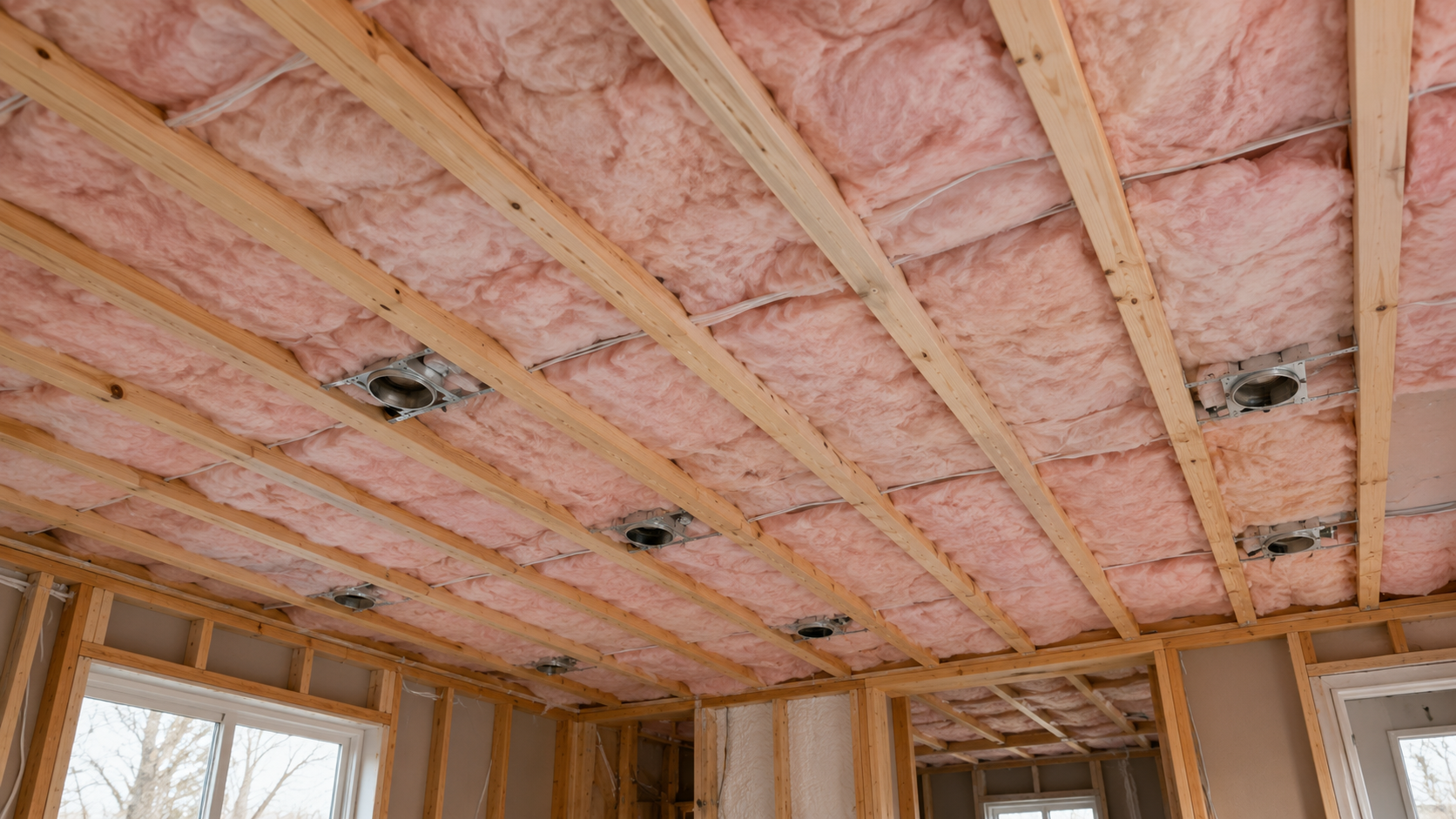
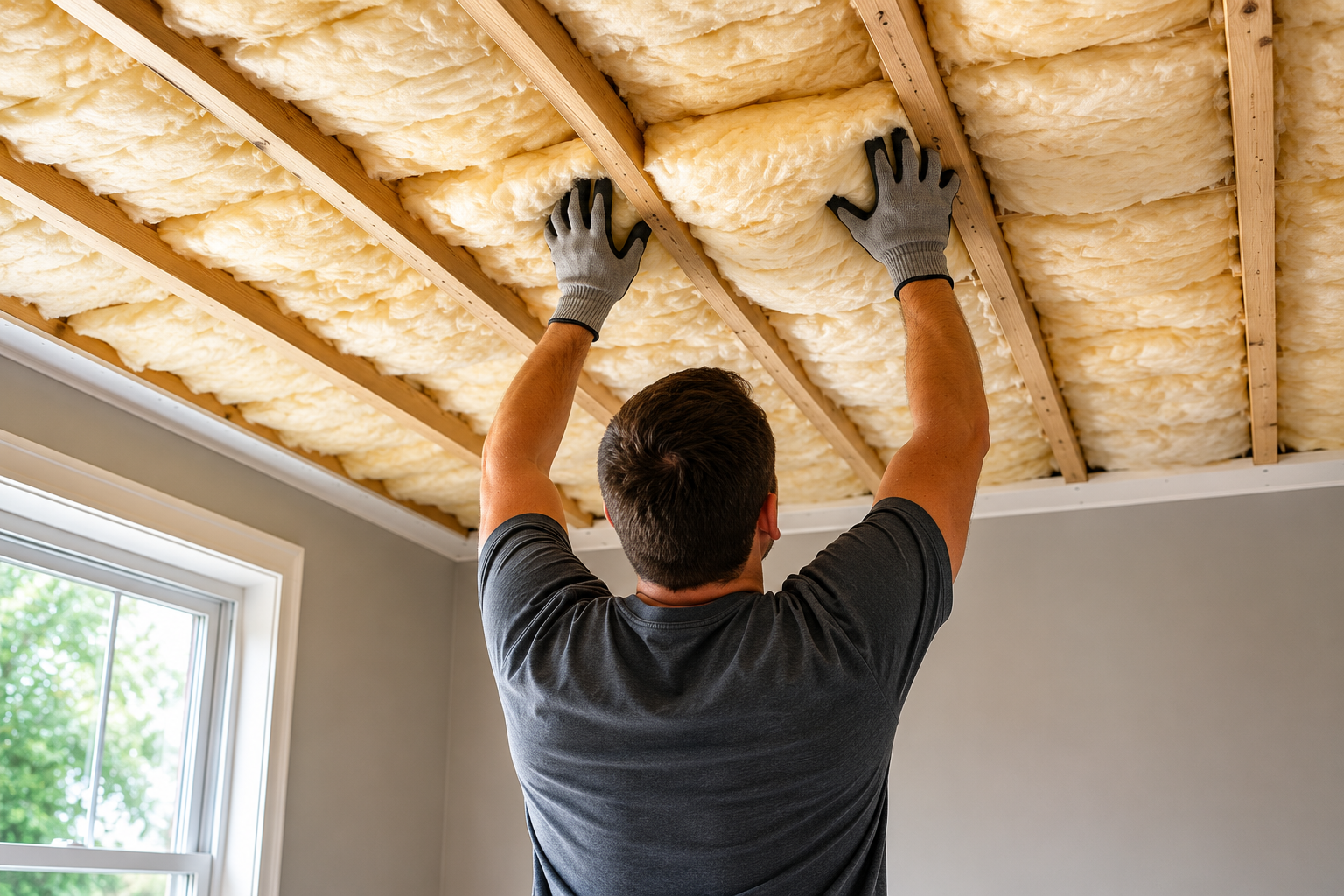
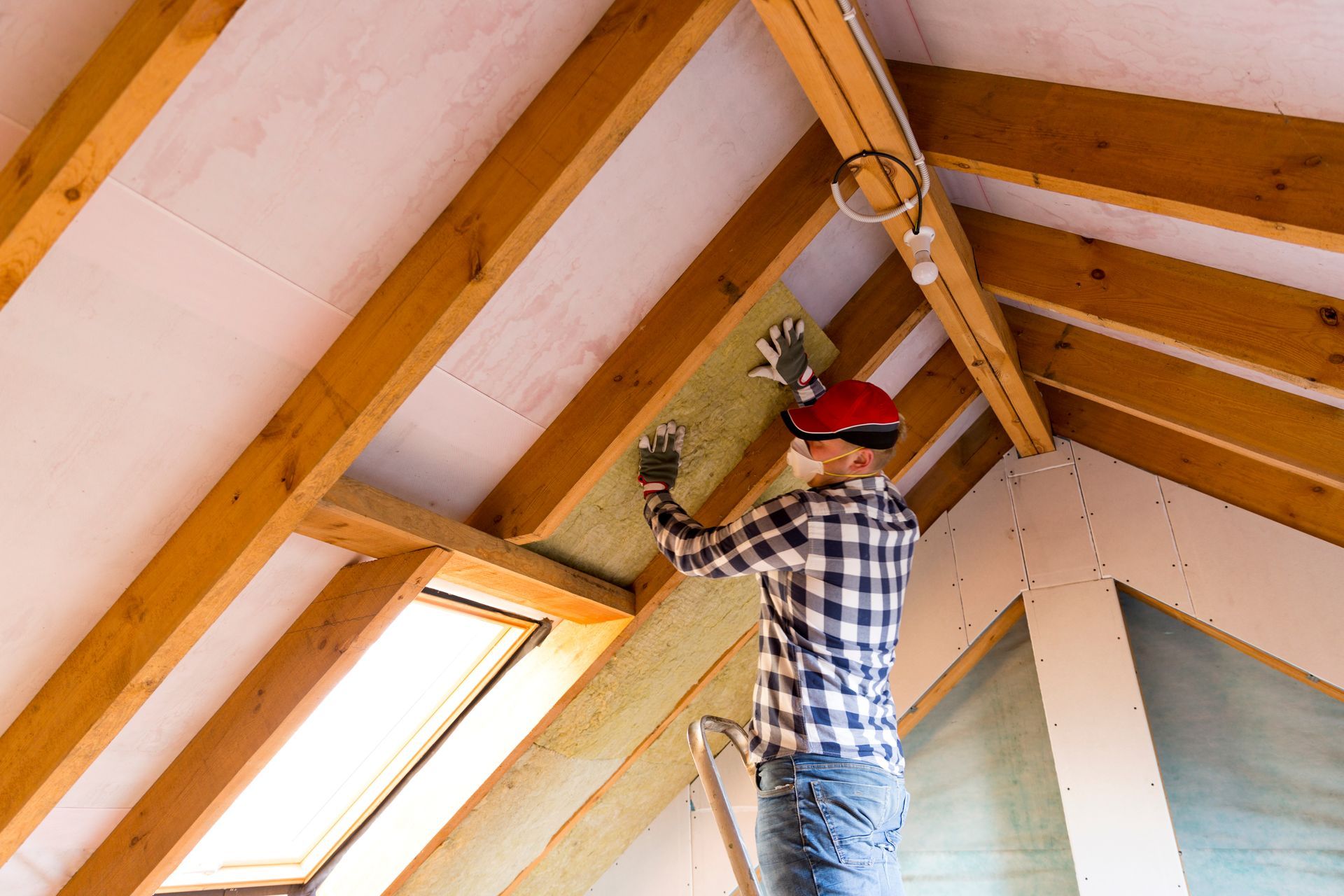
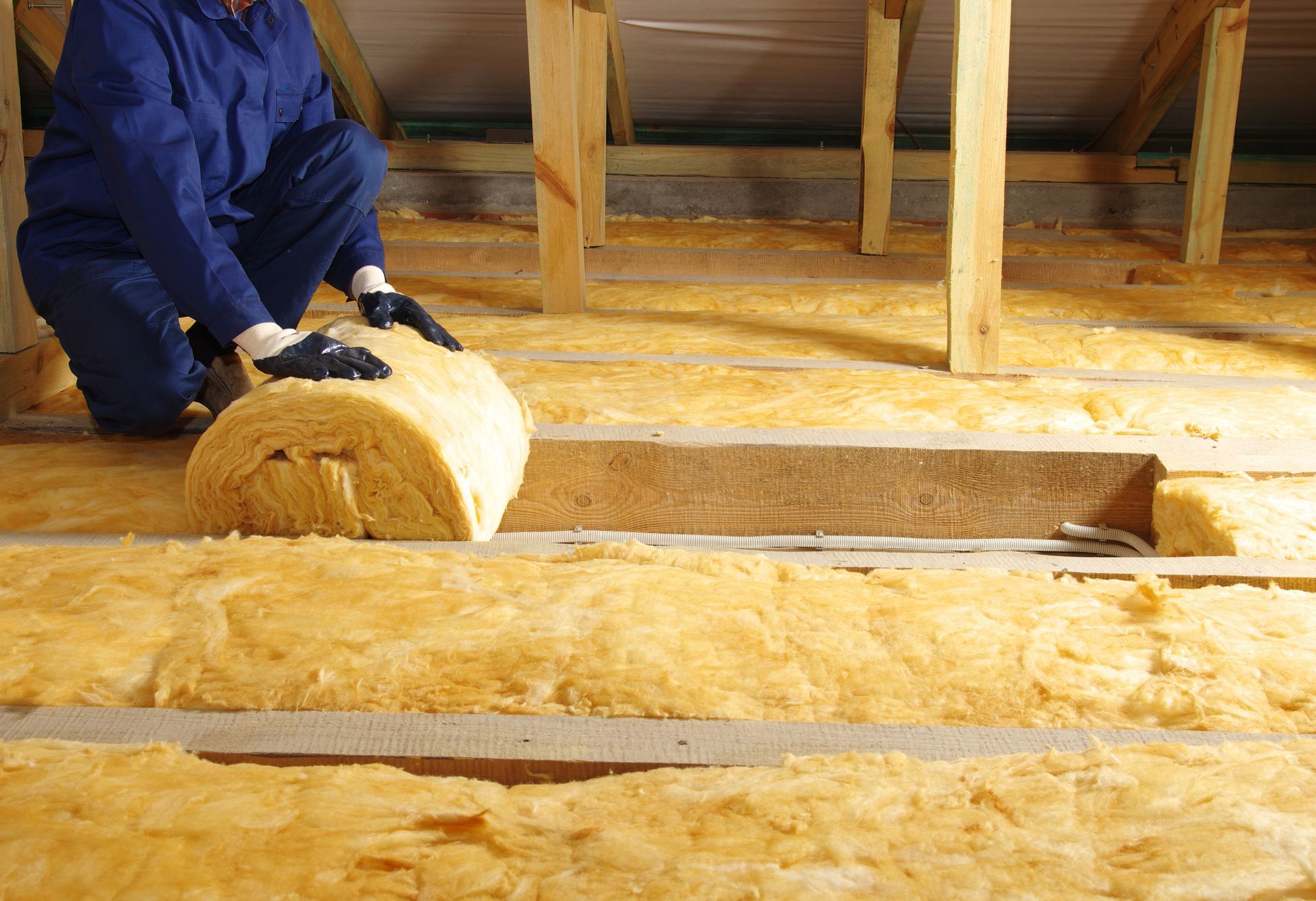
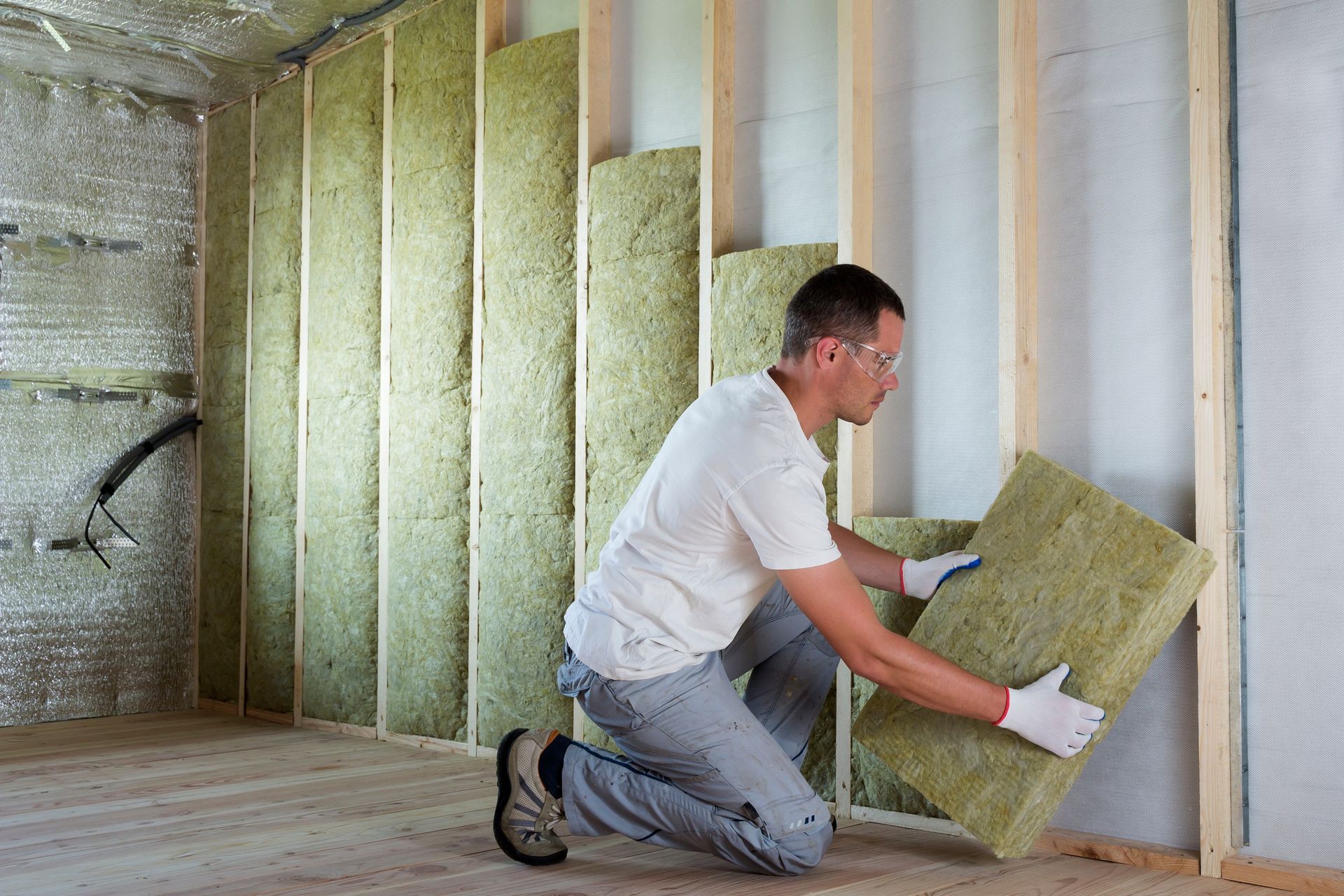
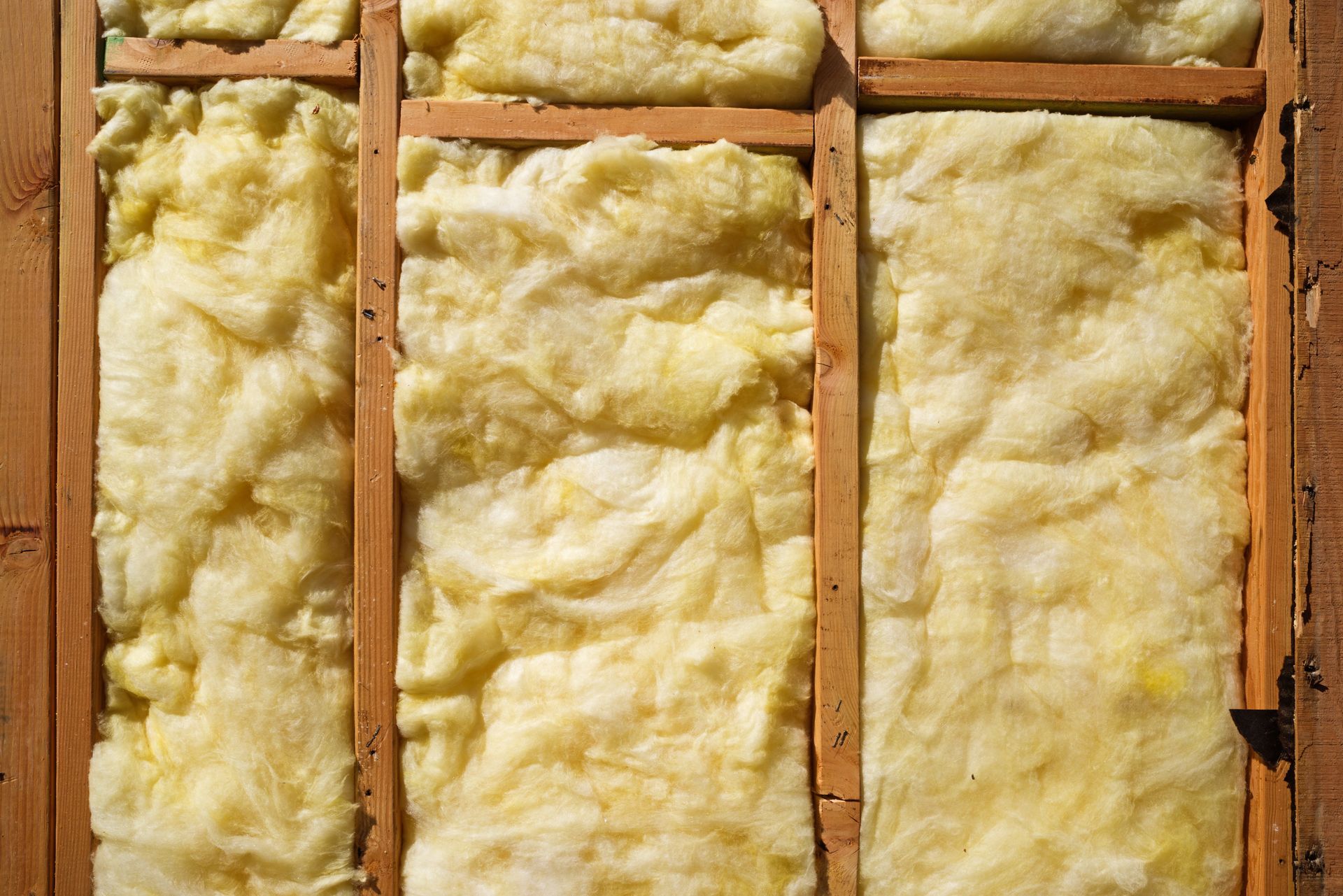
The material you choose affects the cost, but it is only one part of the estimate. Blown-in fiberglass and cellulose are common for attic floors because they can fill around framing, wires, and uneven areas better than batts. Fiberglass batts may have a lower material cost, but they can leave gaps in retrofit attics if they are not installed carefully.
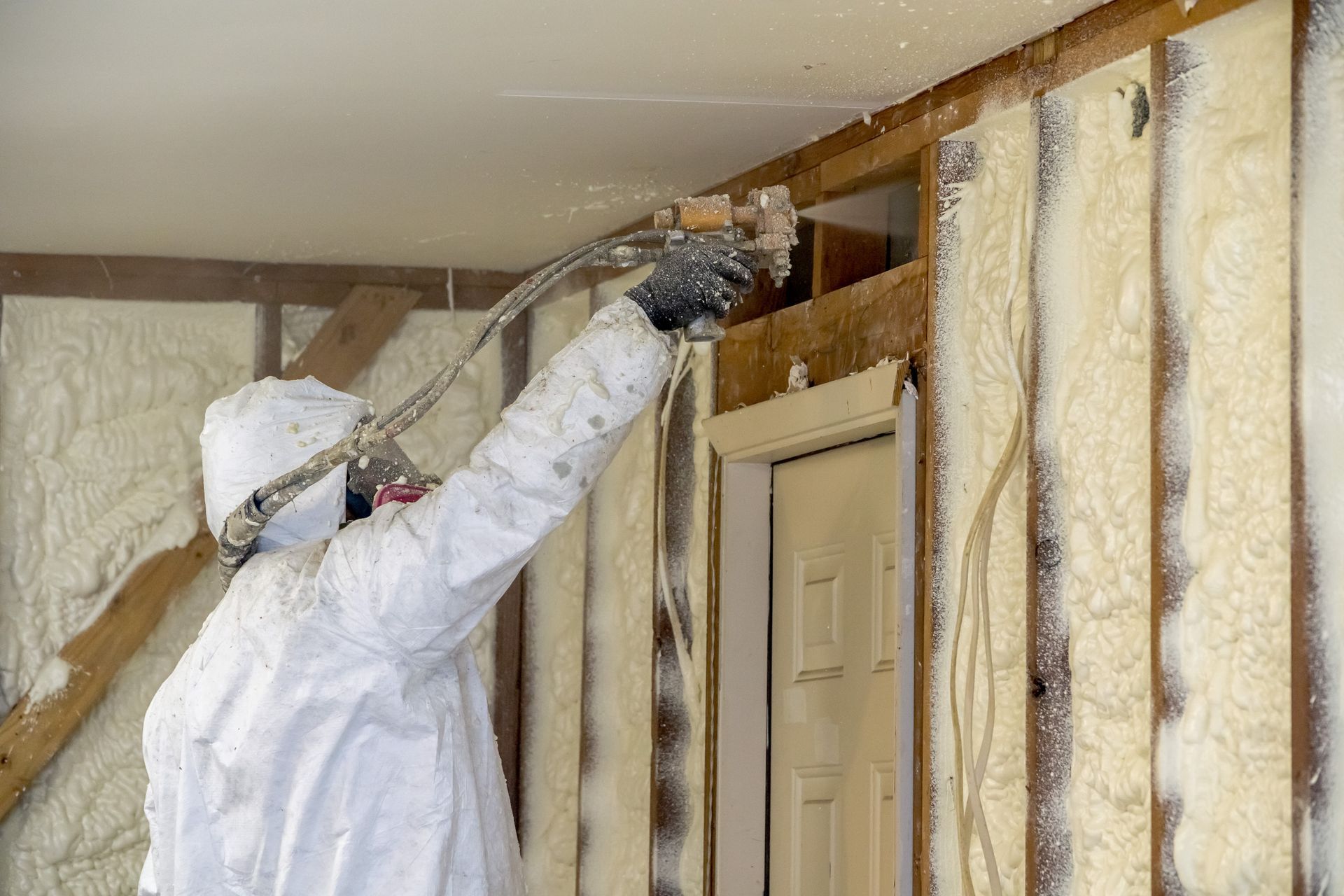
Spray foam usually costs more and is often used for specific applications, such as roofline insulation or air sealing needs that loose-fill insulation cannot solve on its own. Closed-cell foam is more expensive than open-cell foam, but it also has a higher R-value per inch.
For most homeowners, the better question is not only “Which material is cheapest?” It is “Which material solves the problem in this attic?” Urban & Sons provides professional attic insulation for homes throughout Springfield and Western Massachusetts.
| Insulation Type | Reported Installed Range | Notes |
|---|---|---|
| Fiberglass batts or rolls | $0.30 to $2.60 per sq ft | Lower material cost, more gap-prone in retrofit attics |
| Blown-in fiberglass | $0.50 to $2.00 per sq ft | Common attic option, good for uneven areas |
| Blown-in cellulose | $0.60 to $2.30 per sq ft | Good coverage, may settle over time |
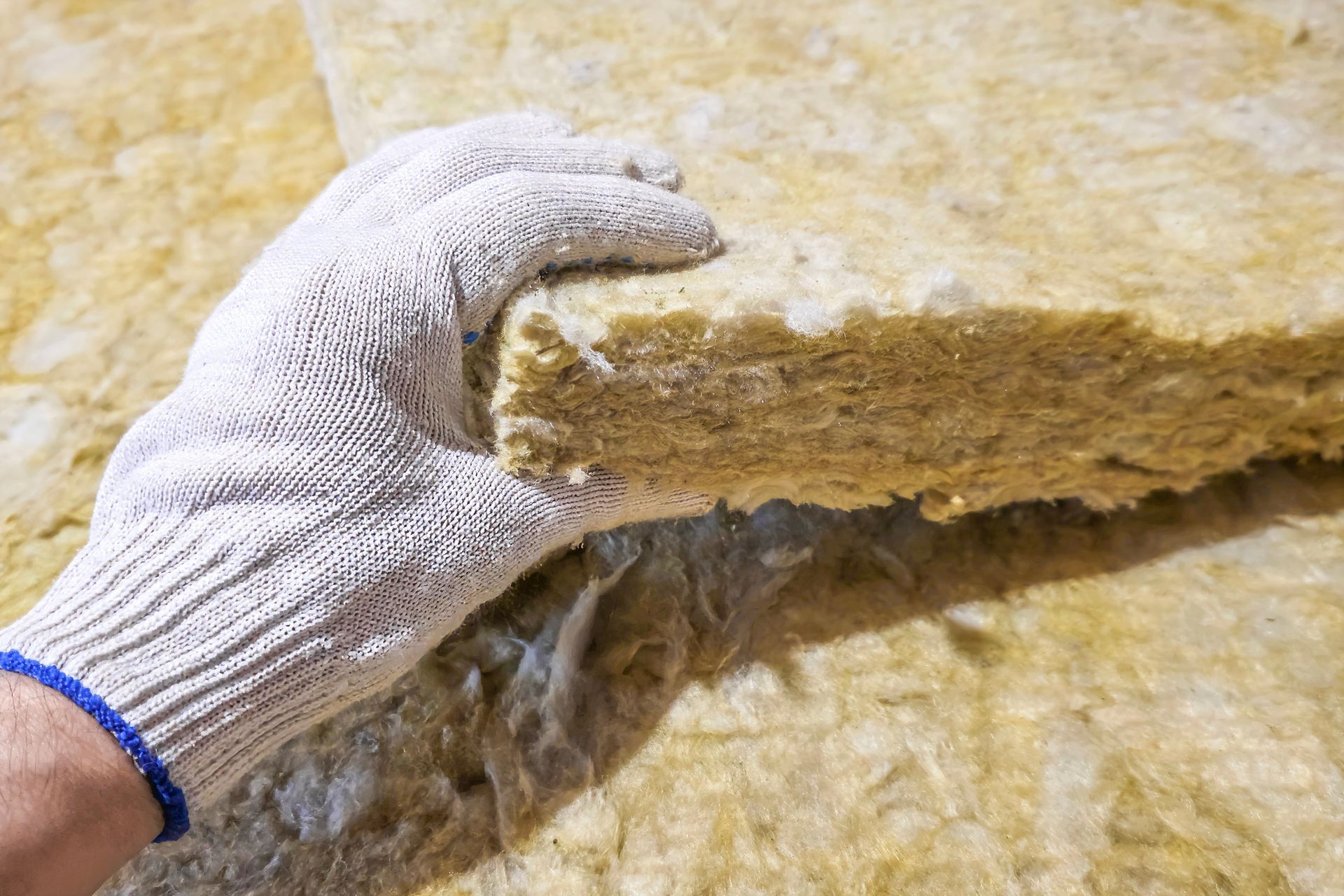
| Mineral wool | $1.00 to $2.50 per sq ft | Often used for fire and sound performance |
| Open-cell spray foam | $1.50 to $3.50 per sq ft | Higher-cost option, often used at rooflines |
| Closed-cell spray foam | $3.00 to $6.00 per sq ft | High R-value per inch, higher cost |
| Radiant barrier | $0.10 to $0.95 per sq ft | Situational in Massachusetts, not the main strategy for most attics |
What It Costs by Attic Size
Attic size gives homeowners a starting point for budgeting, but it still does not tell the whole story.
A smaller 1,000-square-foot attic, such as a Cape, ranch, or bungalow, may fall on the lower end if the attic is clean, accessible, and ready for blown-in insulation. If the same attic needs removal, air sealing, or spray foam, the total can rise quickly.
A 1,500-square-foot attic, common in many Colonial-style homes, usually needs more material and time. The target R-value also matters. Bringing an attic closer to R-49 or R-60 requires more insulation depth than simply topping off a small amount.
A larger 1,800 to 2,400-square-foot attic may involve multiple attic sections, more setup, longer hose runs, tighter access, or more complicated air sealing. In these homes, labor and preparation often become as important as the insulation material itself.
These examples are only budgeting illustrations. A real estimate requires measuring the attic, checking the existing material, and reviewing the full scope.
When Old Insulation Has to Come Out First
Old insulation does not always need to be removed. If the existing insulation is dry, clean, pest-free, and still in decent condition, new blown-in insulation can often be added over it.
Removal becomes necessary when the attic has moisture damage, mold, rodent droppings, urine odor, nesting, smoke residue, severe compaction, or suspected vermiculite. Removal may also be needed when insulation blocks access for electrical, ventilation, or repair work.
Published cost guides often place basic insulation removal around $1 to $2 per square foot, with contaminated or difficult jobs costing more. Rodent contamination, mold, moisture, or asbestos-related concerns can change the project from a simple insulation job into a cleanup and remediation issue.
Vermiculite deserves special caution. It often looks like gray or silver-brown pebble-like material on the attic floor. In older homes, it should be treated as potentially asbestos-containing unless testing proves otherwise. If your attic needs cleanup before new material can be installed, professional insulation removal should be part of the plan.
Air Sealing: The Line Item That Changes the Result
Insulation slows heat transfer. Air sealing stops warm air from escaping through gaps. Both matter.
In many Massachusetts homes, heat escapes through top plates, plumbing chases, wiring holes, attic hatches, recessed lights, dropped soffits, and gaps around mechanical penetrations. If those leaks are not sealed first, new insulation may improve the attic but still leave the home drafty.
The sequence matters: air seal first, then insulate. Once new insulation is blown in, many of the gaps are buried and harder to reach. This is one reason a better attic quote may cost more than a basic “blow and go” estimate. It is not just adding depth. It is correcting the attic so the new insulation can actually perform.
How Much Insulation Does a Massachusetts Attic Need?
Most of Massachusetts, including Springfield and Hampden County, is in Climate Zone 5A. Many attics in this zone are brought toward R-49 to R-60, depending on the home, existing insulation, local code requirements, and project scope. Some Berkshire and higher-elevation Hilltown areas fall into Zone 6A, where higher R-value targets may apply.
R-value measures resistance to heat transfer. It does not measure air leakage. An attic can look deep enough on paper and still perform poorly if warm air is escaping through unsealed gaps.
A simple check helps: if you can see the tops of the ceiling joists when you look across the attic floor, you probably do not have enough insulation for a Massachusetts attic. For related areas below the attic, Urban & Sons also provides
ceiling insulation.
| Material | R-Value Per Inch | Approx. Depth for R-49 |
|---|---|---|
| Blown fiberglass | R-2.2 to R-2.7 | 18 to 22 inches |
| Fiberglass batt | R-2.9 to R-3.8 | About 15 inches |
| Blown cellulose | R-3.2 to R-3.8 | About 14 inches |
| Open-cell spray foam | R-3.5 to R-3.8 | About 13 inches |
| Closed-cell spray foam | R-6.0 to R-7.0 | About 7.5 inches |
Signs Your Attic Insulation Is Costing You Money
Comfort problems are often the first clue. The second floor may feel too hot in summer or too cold in winter. Certain rooms may never hold temperature. You may notice cold floors, drafts, or uneven temperatures between rooms on the same floor.
Energy bills can tell the same story. If heating costs keep rising without a clear rate change, or your bills seem higher than similar nearby homes, the attic may be part of the problem. New high-efficiency heating or cooling equipment can also disappoint if the home is still losing energy through the attic.
The attic itself may show signs too. Look for visible joists, uneven depth, matted insulation, damp material, frost under the roof sheathing, musty smells, rodent droppings, or heavy icicles at the roof edge.
Air quality concerns should be handled carefully. Insulation is not an air purifier. But air sealing and proper insulation can reduce uncontrolled pathways between the attic and living space, which can help limit the movement of attic dust, odors, and contaminants into the home.
What the Installation Process Looks Like
A good attic insulation project starts with an inspection. The contractor measures square footage, checks existing depth and material, reviews access, and looks for moisture, pests, ventilation issues, recessed lights, knob-and-tube wiring, bath fans, and other conditions that affect the work.
Next, barriers are addressed. Roof leaks, active knob-and-tube wiring, suspected vermiculite, and bath fans venting into the attic should be resolved before insulation is installed. If removal is needed, the old material is cleared by vacuum extraction or hand removal, depending on the material and condition.
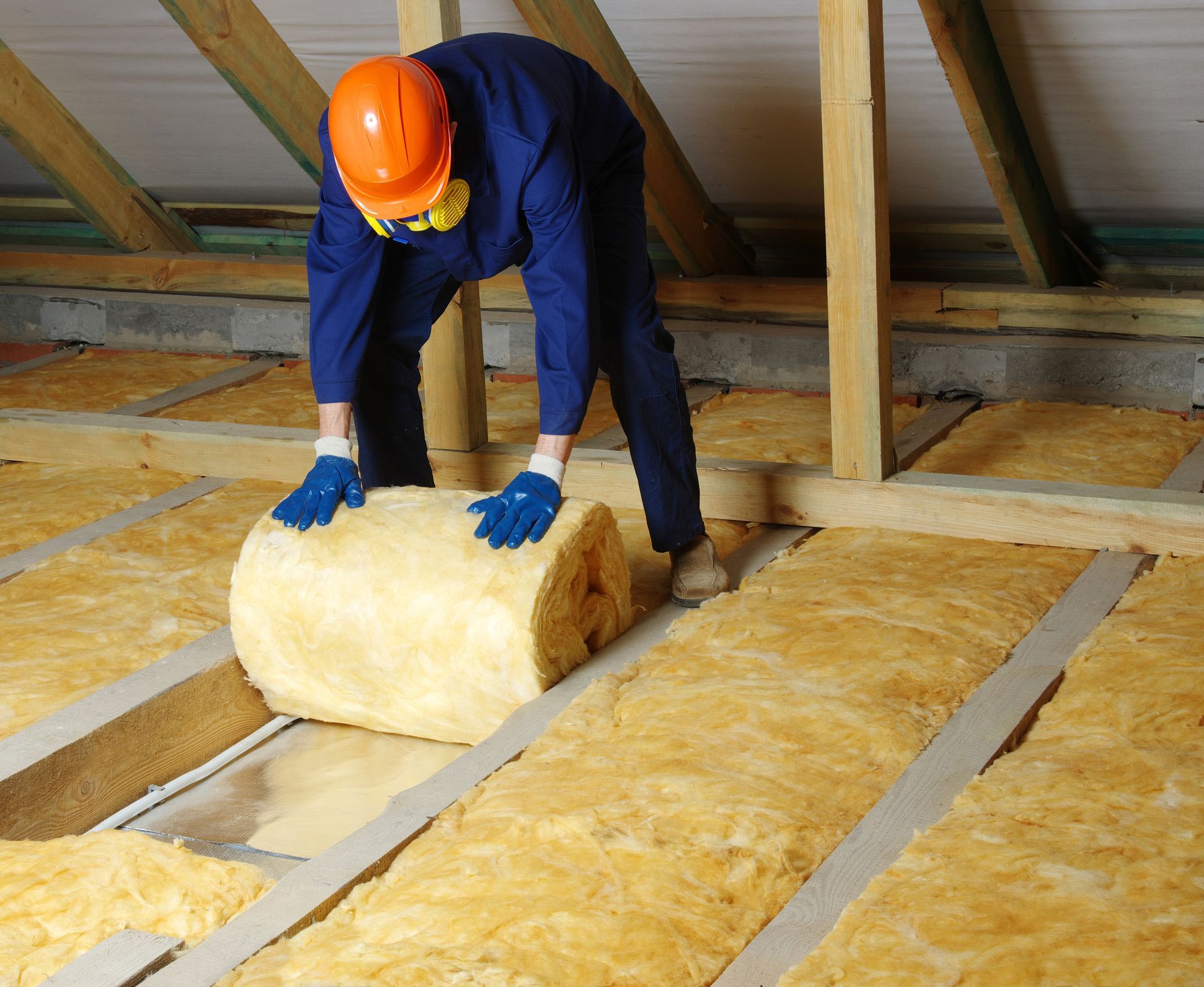
After that comes air sealing. Gaps and penetrations are sealed before the new insulation goes in. Ventilation is protected with baffles so soffit vents stay open. Then insulation is installed evenly to the target depth, the attic hatch is addressed, and the area is cleaned up.
Many standard attic jobs can be completed in a day, but larger, contaminated, or difficult-access projects may take longer.
Mass Save and What It Covers
Mass Save can change the math, but it does not replace the need to understand what your attic actually needs. Program materials state that eligible Massachusetts homeowners may receive help with approved insulation and air sealing improvements, usually starting with a Home Energy Assessment.
The details matter. Mass Save may not cover every scope a homeowner needs, such as full insulation removal, rodent cleanup, specialty spray foam applications, or certain barrier issues. Knob-and-tube wiring, vermiculite, mold, or structural concerns may require separate steps before insulation can move forward.
Before publishing, Urban & Sons should confirm how they want this section positioned, including whether they are a participating or authorized Mass Save contractor.
What You Get Back
The return on attic insulation is not only lower energy bills. Homeowners may also notice fewer drafts, more even temperatures, less strain on heating and cooling equipment, and reduced risk of attic moisture problems when ventilation is handled correctly.
The savings matter more in Massachusetts because energy costs are high compared with many other states. A percentage reduction in heating and cooling use is more valuable when the starting bill is higher.
There is also a local housing reason this work matters. Many homes in Springfield and Western Massachusetts were built before modern insulation standards. In those houses, attic insulation is not always an upgrade from good to better. It may be correcting a home that was never insulated to today’s expectations. For more on that, see this guide to older homes in Western Massachusetts.
Getting an Accurate Number for Your Home
A real attic insulation estimate should account for square footage, current insulation depth, existing material, moisture or pest issues, access, ventilation, air sealing, target R-value, and whether removal is required. A phone estimate can give a rough idea, but it cannot see what is actually happening in the attic.
Urban & Sons Insulation provides free on-site inspections and written estimates for attic insulation in Springfield and surrounding Western Massachusetts communities. To get a clear number for your home, request an estimate.
The figures in this guide are national and regional averages from published industry cost data. They are for budgeting only. Actual pricing varies by home, attic condition, material, scope, and inspection findings.
Frequently Asked Questions
How much does attic insulation cost in Massachusetts?
Published cost guides often place professionally installed attic insulation around $1,500 to $3,500, with blown-in insulation commonly around $1 to $3 per square foot installed. Actual cost depends on attic size, condition, material, air sealing, and removal.
How much does old attic insulation removal cost?
Published cost guides often place basic insulation removal around $1 to $2 per square foot. Contamination, difficult access, disposal needs, and the type of material being removed can raise the cost.
What R-value do I need in Western Massachusetts?
Most of Western Massachusetts is in Climate Zone 5A, where many attic projects target R-49 to R-60 depending on code, existing insulation, and project scope.
Does Mass Save pay for attic insulation?
Mass Save may help cover approved insulation and air sealing improvements for eligible Massachusetts homeowners. The Home Energy Assessment is usually the starting point, and eligibility depends on the home, scope, and program rules.