
A Guide to Insulating Older Homes in Western Massachusetts
Older homes across Western Massachusetts have a lot of character, but they also come with different challenges when it comes to insulation. Many were built at a time when heating and cooling worked differently, and insulation was not always installed the way it is today.
Updating insulation in an older home takes more than just adding new material. It requires a closer look at how the home is built and what is already in place. With the right approach, you can improve comfort and make the home easier to manage throughout the year.
Understanding How Older Homes Are Built
Homes built years ago were designed to allow air to move through the structure. This helped manage moisture, but it also means heat can escape more easily compared to newer homes.
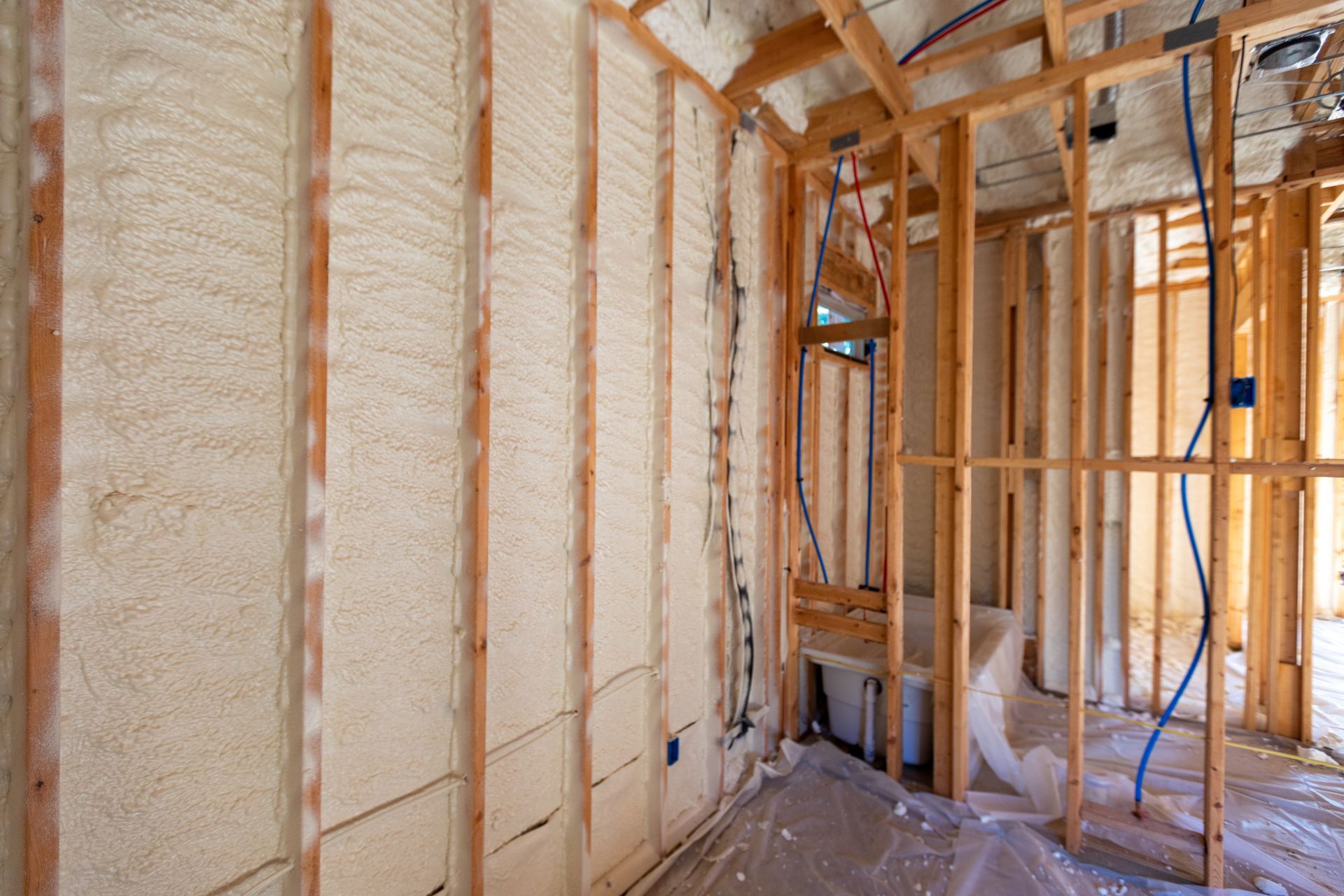
Inside the walls, there may be open pathways that run from lower levels up to the attic. These hidden spaces let warm air move out without being obvious. Heat loss is not always happening where you expect, which is why understanding the layout is important.
Checking What Insulation Is Already There
Before adding anything new, it helps to know what is already in place. In many older homes, insulation has been added over time, which can leave a mix of materials in different areas.
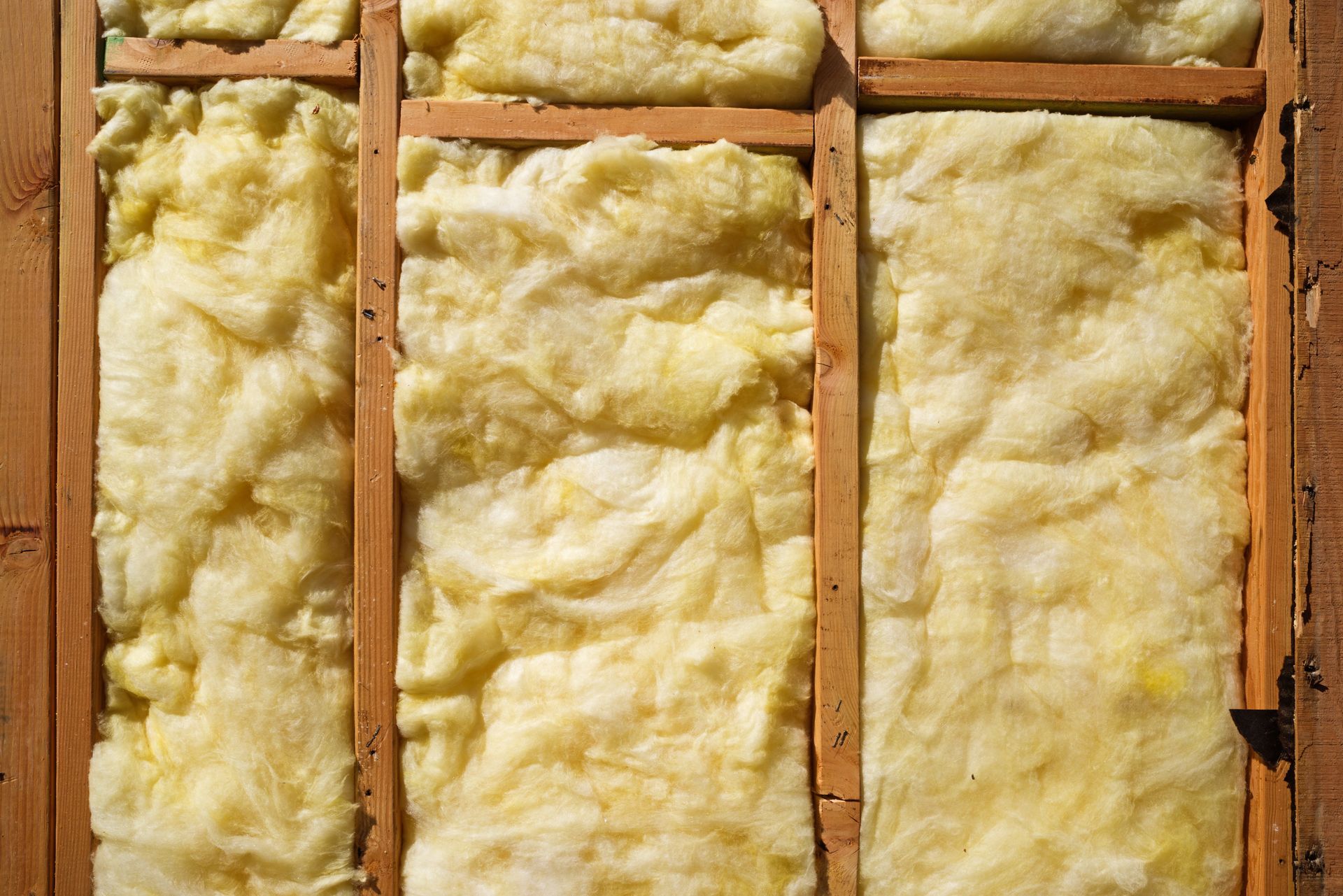
As insulation ages, it can settle or shift, leaving gaps where air can pass through. You may also come across signs of moisture or past wear that should be handled first. In these cases, insulation removal can help create a clean starting point for new material.
Planning the Right Approach for Your Home
A good plan focuses on the areas where the most heat moves in and out. Attics and lower spaces like basements or crawl spaces are usually the first places to look.
Each home is different, so the approach should match how it is built. Some areas may need one type of insulation while others may require a different method based on access and layout.
Common Obstacles to Look Out For
Older homes can come with a few challenges that should be identified before insulation work begins.
- Older wiring that should not be covered
- Tight or hard-to-reach areas
- Signs of past moisture
- Uneven framing inside walls
- Limited access in attics or crawl spaces
How Urban & Sons Insulation Can Help
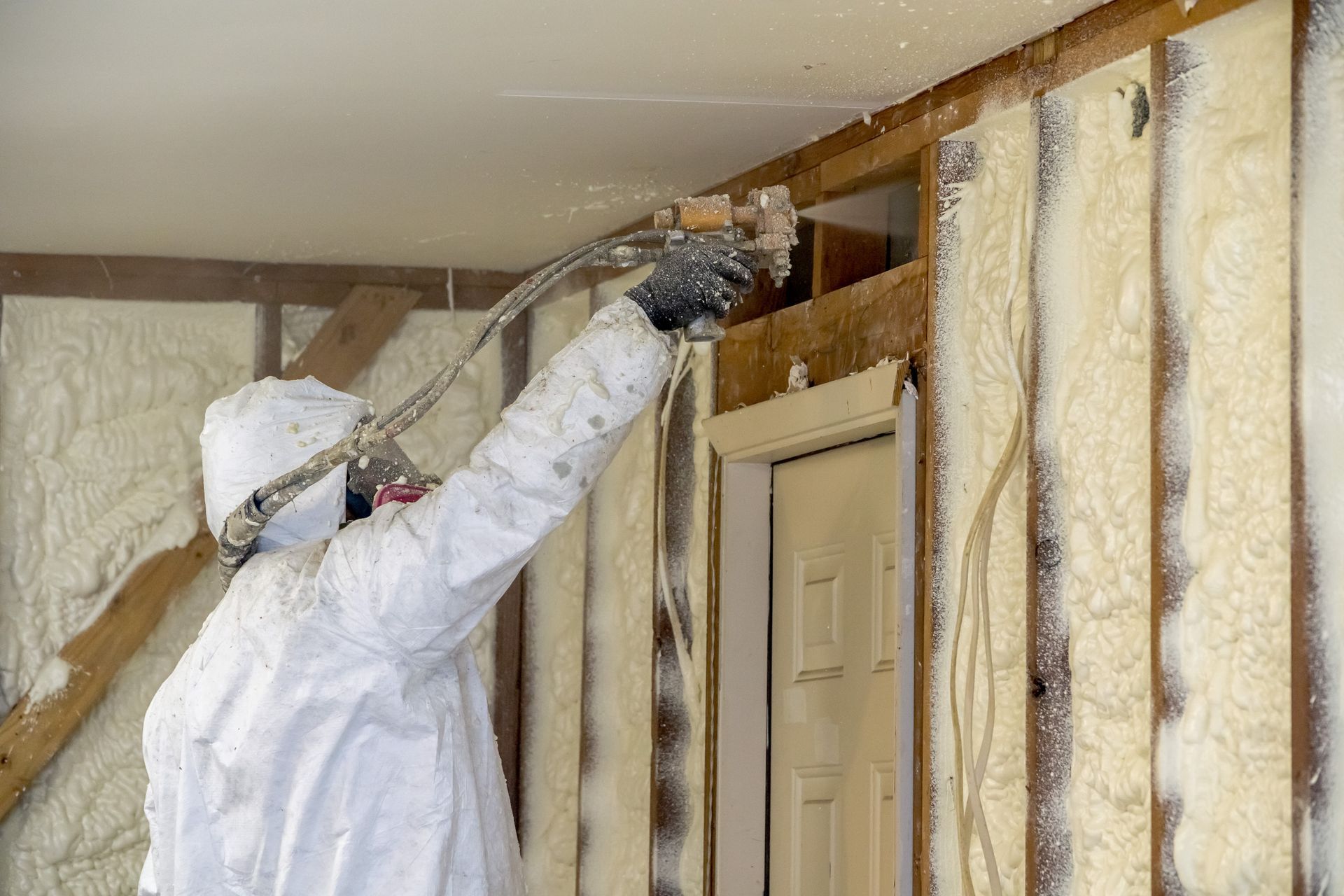
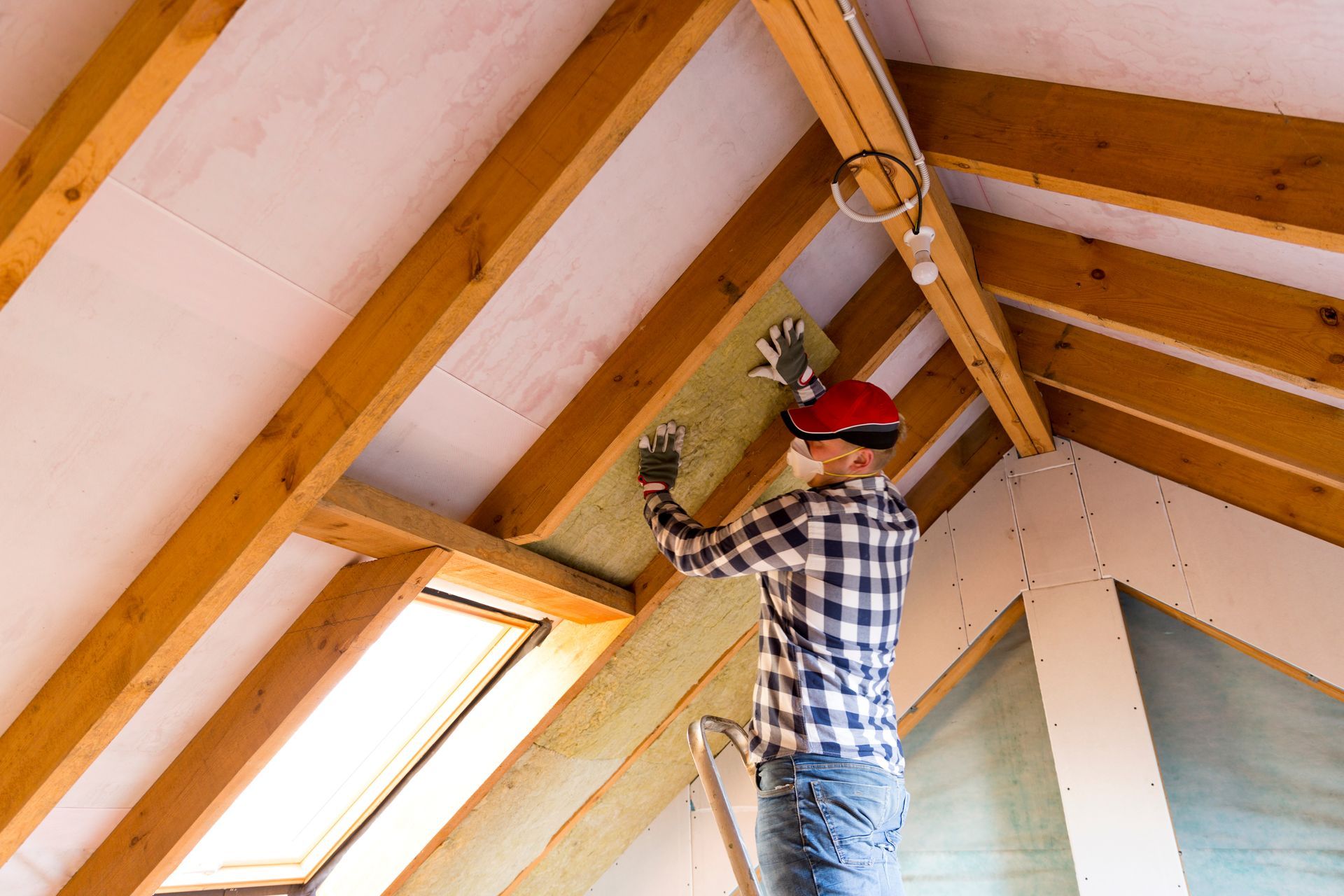
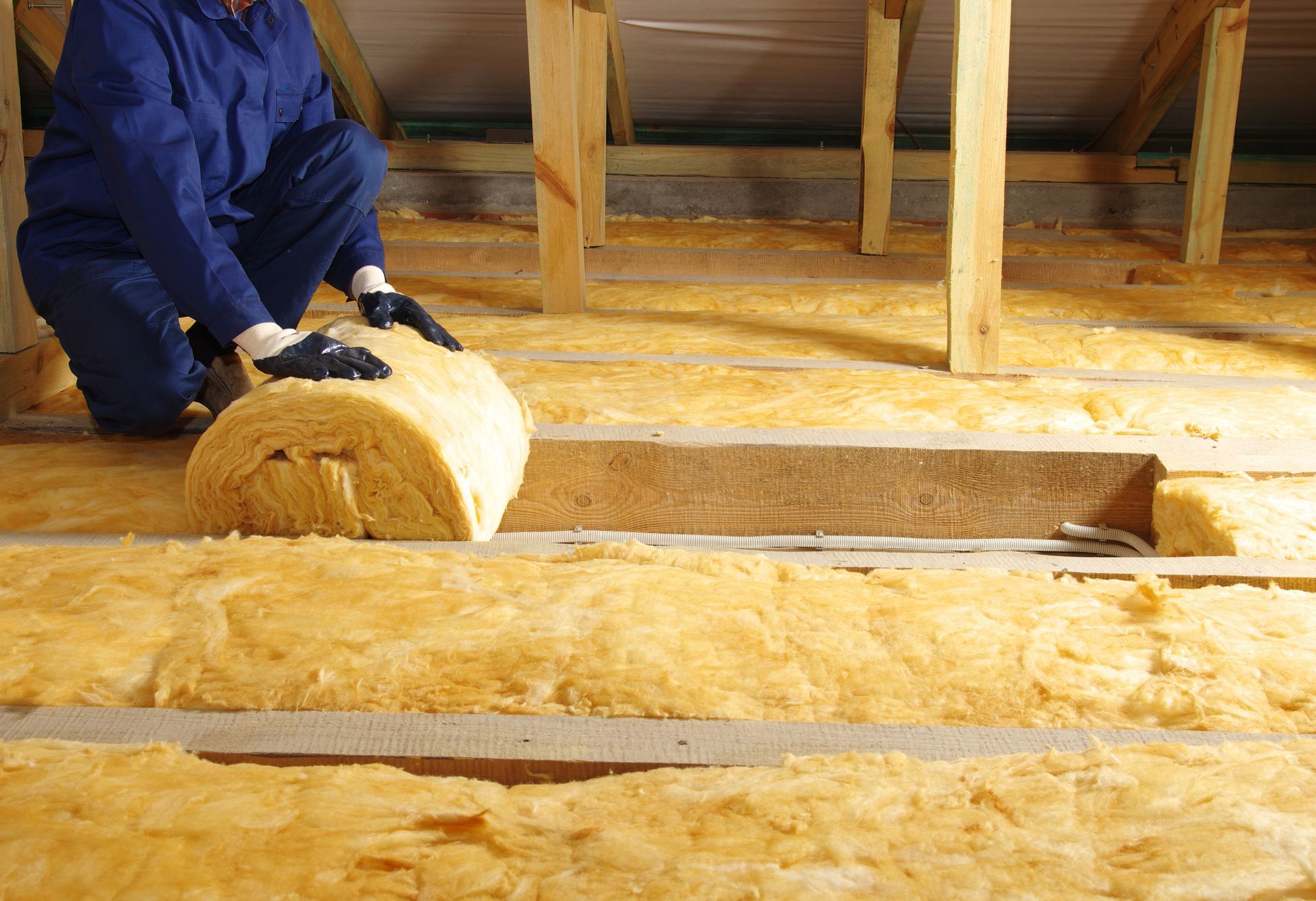
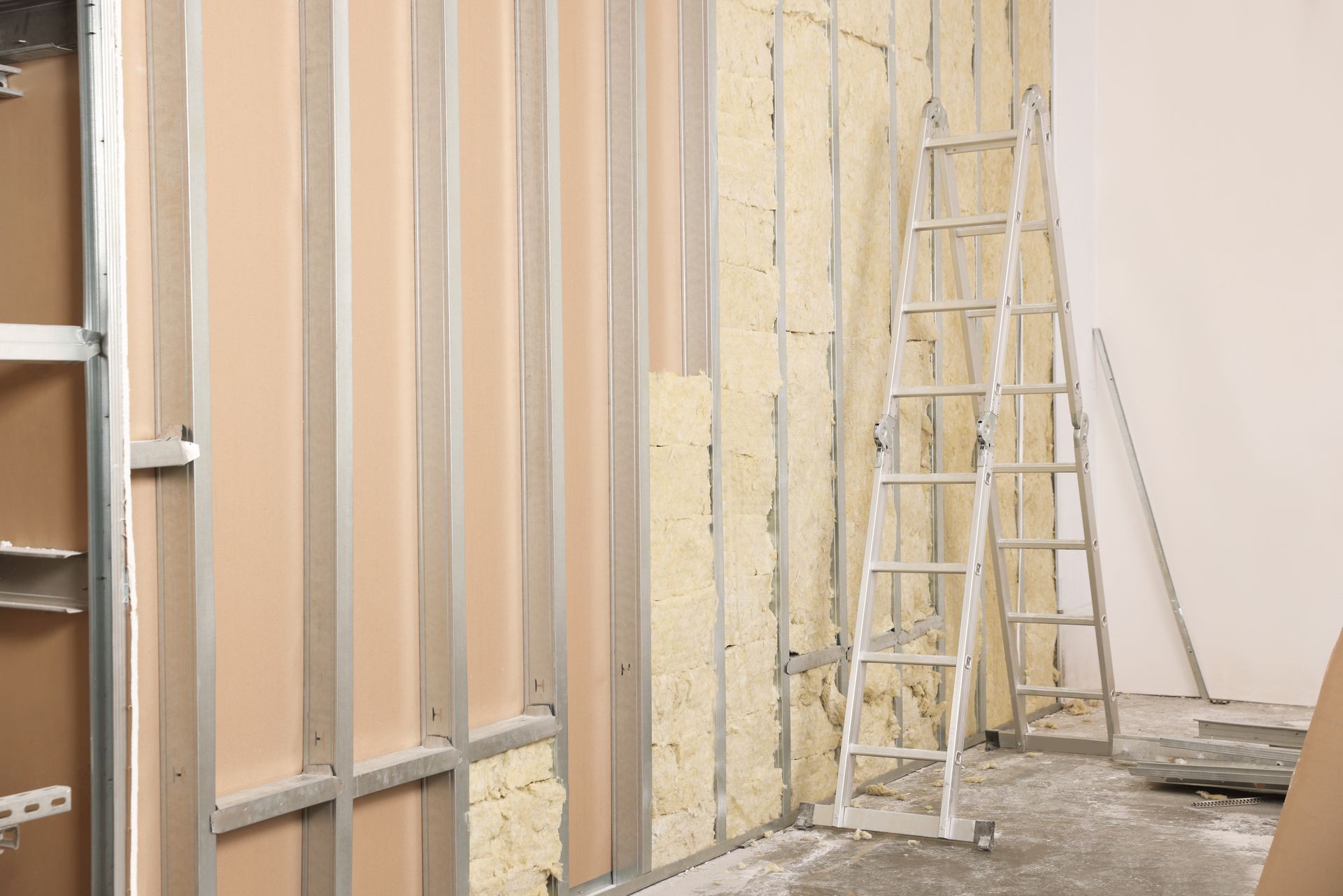
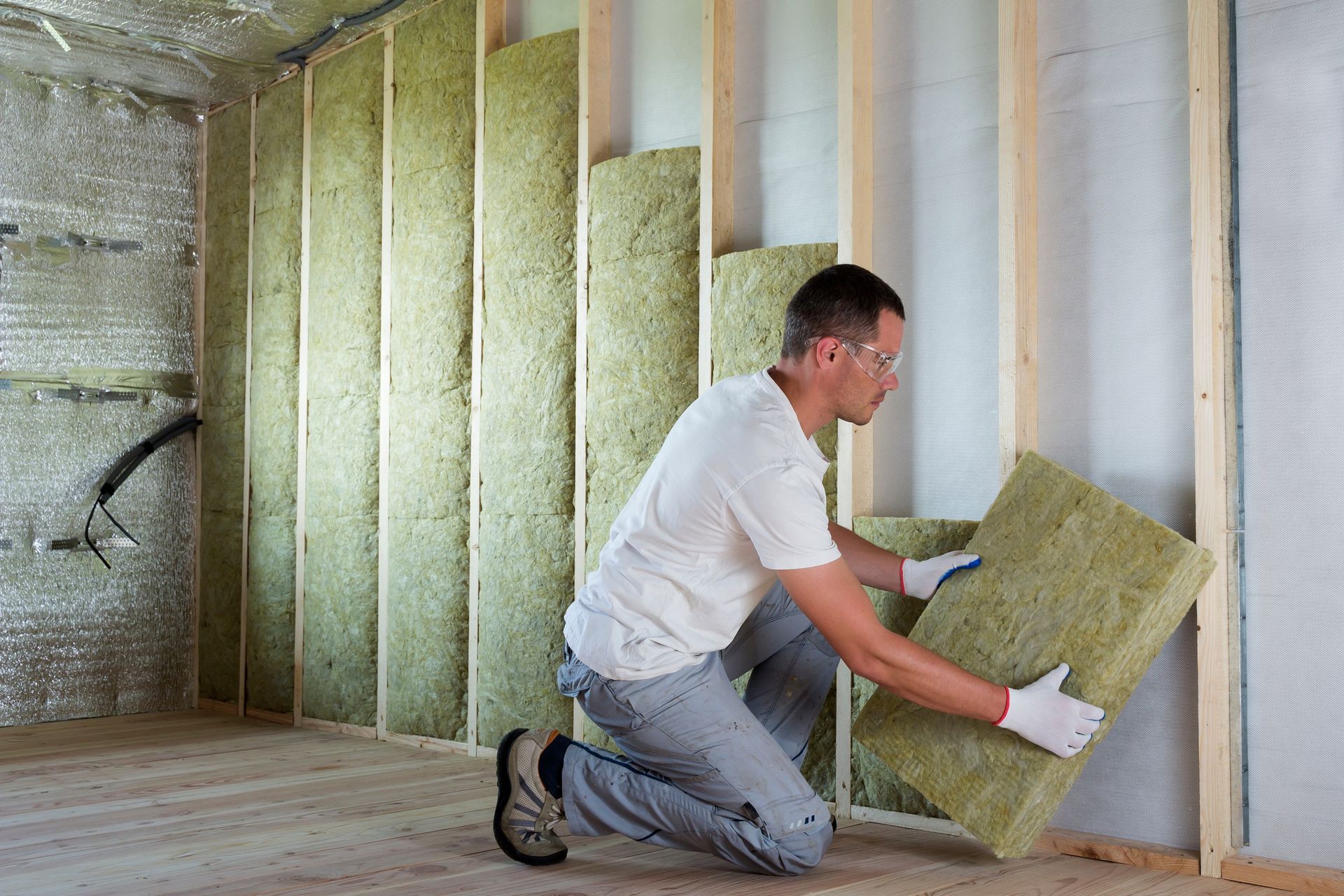
Working on an older home takes a careful approach. Looking at the structure, removing outdated material when needed, and installing insulation the right way all help improve how the home performs.
At Urban & Sons Insulation, we work with homeowners serving Western Massachusetts to handle insulation removal and installation from start to finish.
If you are planning to update insulation in your home, reach out today. We are here to help you take the next step and make sure everything is done properly.
Frequently Asked Questions
How do I know if my older home needs new insulation?
If your home feels uneven in temperature, your energy bills are rising, or certain rooms are harder to heat or cool, it may be time to look at your insulation.
Do older homes always need insulation removal before adding new material?
Not always, but in many cases it helps. If the existing insulation is old, settled, or damaged, insulation removal can create a better base for new installation.
What areas of an older home should be insulated first?
Attics and lower spaces like basements or crawl spaces are usually the first places to check. These areas tend to have the most heat loss.
Is insulating an older home different from a newer one?
Yes. Older homes are built differently and may have open areas inside the walls or limited access. That is why a careful approach is important to get the best results.